
Hotel Cancellation Policies Explained: Deadlines, Fees, and How to Avoid Them
Hotel cancellation policies explained in plain terms: most hotels let you cancel for free up to a set deadline, but after that point you pay — sometimes a one-night charge, sometimes the whole stay. The rules vary wildly by property, rate type, booking channel, and season. If you have ever been stung by a charge for a room you did not use, the problem usually was not the hotel being unreasonable. It was that the policy was buried in the fine print, and nobody read it.
In this guide I will walk through how the standard policies work, what the different rate labels actually mean, how third-party sites and loyalty programs change the math, and the concrete steps you can take to protect yourself from cancellation fees. Everything here applies to hotels, motels, and most short-term rentals in the US, UK, Canada, and Australia.
Most travelers just click “Book” and move on. Cancellation rules are exactly where that habit costs you money. Let’s get into it.
How Hotel Cancellation Deadlines Actually Work
Almost every hotel policy is built around two things: a deadline and a penalty. The deadline is the “cancel by” time, and the penalty is what you owe if you miss it. Here are the most common structures you will run into.
- Free cancellation until 24 hours before check-in. This is the online default at chains like Marriott and Hilton and nearly all bookings on Booking.com. Cancel by 11:59 p.m. the day before arrival and you pay nothing.
- 72-hour cancellation. Very common at independent and boutique hotels. Cancel less than three days out and you pay one night.
- 24-, 48-, or 72-hour windows at resorts. Resorts in places like Las Vegas, Orlando, and Hawaii often stretch the deadline further out because their rooms are harder to rebook.
- Same-day cancellation. Some budget chains allow cancel-by-6 p.m. on the day of arrival for a fee, which is rare but useful if your plans are last-minute.
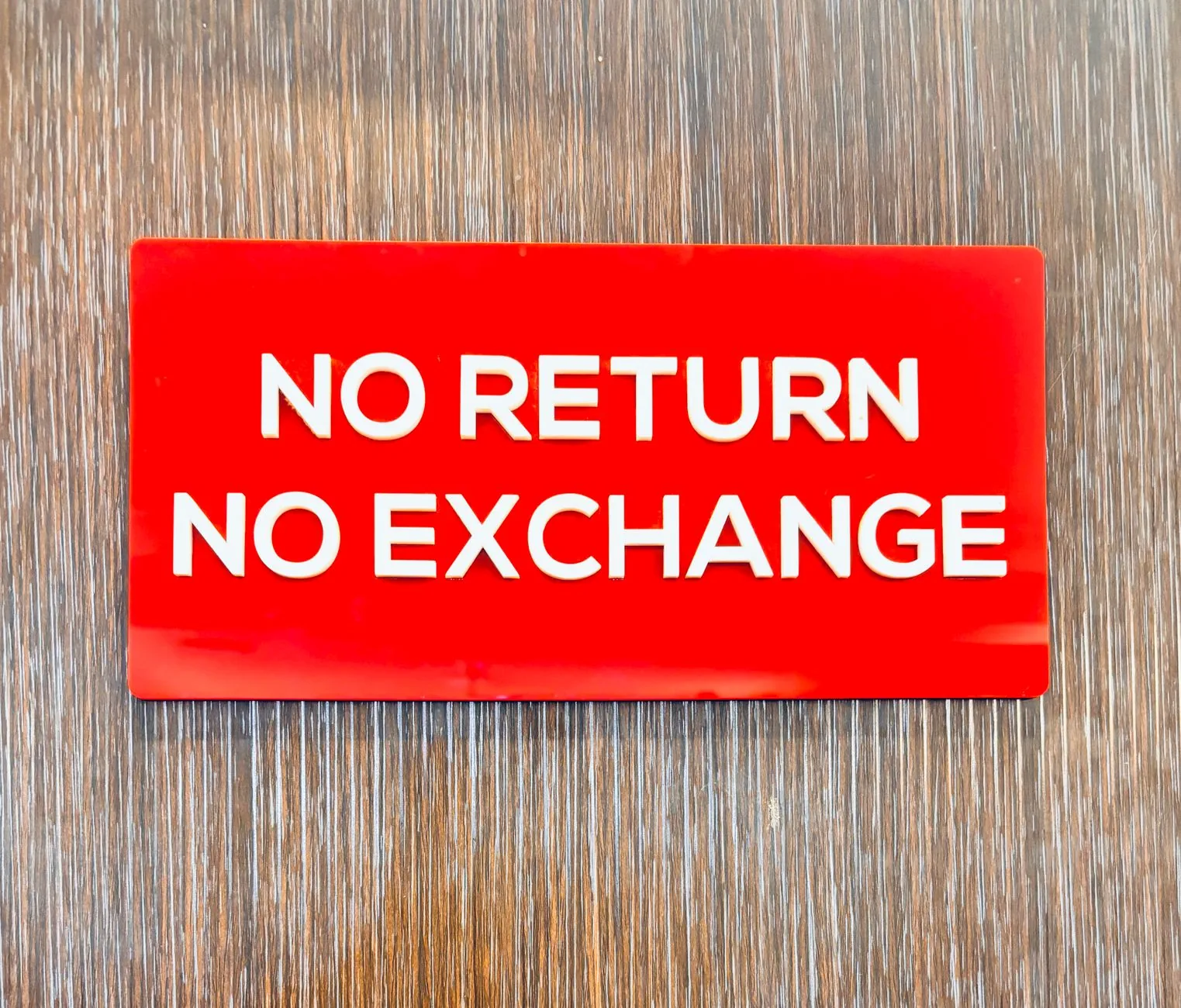
- Non-refundable. No deadline, no refund, no exceptions. The rate was cheap because you gave up the right to cancel.
The penalty is almost always the first night’s rate including taxes, though some properties charge a flat fee or the full stay. Always check the exact penalty amount, not just the deadline. A $35 room with a one-night penalty is a minor annoyance; a $450 suite with a two-night penalty is a real loss.
The Check-In Time Catch
Deadlines are tied to the hotel’s local time, not yours. A “cancel by 3 p.m.” deadline at a hotel in London is 10 a.m. Eastern if you are booking from New York. Miss it by an hour and you owe a night. If you are traveling across time zones, convert the deadline before you book, and set a calendar reminder in the hotel’s local timezone.
Reading the Rate Labels: Refundable vs. Semi-Flexible vs. Non-Refundable
The single most useful skill for avoiding cancellation fees is reading the rate name and description before you pay. Hotels use three broad tiers.
| Factor | Refundable / Flexible | Semi-Flexible | Non-Refundable |
|---|---|---|---|
| Typically costs | Full price | Slightly less than flexible | 10-20% cheaper |
| Cancel window | Free up to deadline (24h-72h) | Free until X date, then fee | No cancellation |
| Penalty if you cancel late | Usually none until deadline | One night or a % of stay | Full stay |
| Best for | Trips that might change | Mostly firm plans | Locked-in plans, budget trips |
| Where it is common | OTAs and chains | Boutique hotels | OTAs and prepaid deals |
Non-refundable rates are not a trick — they are a trade. You save 10 to 20 percent in exchange for giving the hotel certainty. That is a fair deal if and only if your dates truly will not change. If there is any chance of a work conflict, an illness, or a flight you booked separately that might move, pay the extra for a refundable rate. The savings on a non-refundable booking are almost always smaller than one night’s penalty.
What You Can Expect From the Big Chains
The major hotel groups tend to have consistent, published policies, which makes them easier to plan around than independent hotels.
Marriott. Most properties default to “cancel by 6 p.m. local hotel time the day before arrival” for free. Some resorts and special event dates require 7 to 30 days.
Hilton. Similar default: free until 11:59 p.m. the day before arrival, with advance-purchase rates being fully non-refundable.
IHG (Holiday Inn, InterContinental, etc.). Generally cancelable until 6 p.m. day before arrival, though select-service hotels vary.
Hyatt. Standard is 48 hours before 11:59 p.m. hotel time, so slightly stricter than Marriott and Hilton. Many Hyatt Place properties use 24 hours.
Choice and Wyndham (budget/economy). These are inconsistent. Some franchised locations enforce 72-hour windows while others allow same-day. Always confirm at the specific property rather than assuming chain-wide rules.
The takeaway: assume 24 to 48 hours unless the property states otherwise, and never assume a franchise follows the brand’s published policy. The brand website is a good starting point, but the property’s own listing is the authority.

Photo by Markus Winkler via Pexels
How Third-Party Booking Sites Change the Rules
Booking through an online travel agency — Booking.com, Expedia, Hotels.com, Kayak — layers a second policy on top of the hotel’s. This is where most cancellations go wrong.
- Booking.com shows a clear “Free cancellation until [date]” label right on the search results. If you pick a property with that tag and cancel in time, you are refunded to your original payment method, usually within a few days. Hotels on Booking.com sometimes overpromise, though — always scroll to the “Cancellation” section on the booking page itself.
- Expedia and Hotels.com generally mirror the hotel’s own policy, but they add their own interface and support layer. Canceling through the OTA is usually the correct move; do not call the hotel to cancel an OTA booking unless the OTA instructs you to.
- Third-party prepaid deals are where people lose the most money. Discounted “secret” or “opaque” deals are almost always fully non-refundable by design. The discount exists because the OTA bought that room non-refundably and is reselling it.
One practical rule: when the OTA says “free cancellation,” also check the hotel’s own policy. When a discrepancy exists, the stricter policy is the one that will be enforced, because the OTA’s promise is usually just a restatement that is occasionally wrong or outdated.
Also pay attention to who charges you. Some OTAs charge your card immediately even for refundable bookings and then refund on cancellation. If you need to dispute a charge later, you are dealing with the OTA, not the hotel — keep your confirmation email and the cancellation confirmation both.
Loyalty Status, Credit Cards, and Third-Party Booking
Your status and your payment method can quietly change your cancellation rights for the better.
- Elite status. Mid-tier and top-tier members at Marriott, Hilton, Hyatt, and IHG often get extended cancellation windows or waived late fees. For example, Hilton Honors Gold and Diamond members sometimes receive exceptions on late cancellation at the hotel’s discretion, and several chains offer “no cancellation fee until 6 p.m. day of arrival” as a published elite benefit.
- Travel credit cards with trip protections. Cards like the Chase Sapphire Reserve, Amex Platinum, and Capital One Venture X include trip cancellation or interruption coverage that can reimburse non-refundable hotel costs when a covered reason (illness, severe weather, injury) forces you to cancel. This is insurance, not a hotel policy, but it effectively converts some non-refundable bookings into refundable ones. Check your card’s guide to benefits for the exact covered reasons and limits.
- Booking direct vs. third party. Booking directly with the hotel generally means cleaner cancellations, fewer layers of support, and easier goodwill requests. It is one of the reasons direct booking is worth it even when an OTA price is a few dollars lower.
For a deeper look at how those direct-vs-OTA prices rank, see our breakdown of the best hotel booking sites.

Photo by Pixabay via Pexels
When You Can Cancel Even a Non-Refundable Booking
Non-refundable usually means non-refundable, but there are a handful of legitimate escape hatches worth knowing.
Hotel goodwill. If your reason is serious — a medical emergency, a bereavement, a flight cancellation that was not your fault — call the hotel directly and be polite. Many will rebook you to new dates instead of refunding, which costs them nothing and saves you the full charge. Ask to “move the reservation” rather than “cancel” it; that single phrasing change works surprisingly often.
Airline-caused cancellations. If your inbound flight is canceled, some hotels will waive the fee, especially if the hotel is near an airport or the airline’s schedule collapse is public news. Credit-card trip interruption coverage also typically kicks in here.
Flexible rebooking rather than refunds. Some chains and OTAs offer “cancel for any reason” style flexibility on specific rate plans in exchange for a slightly higher price. These are labeled things like “Flexible Rate” or “Free Cancellation & Pay Later.”
Knowing the hotel’s actual policy before you ask for an exception helps enormously. If you have not booked yet, brush up on how to book a hotel room online so you read the right fields the first time.
How to Avoid Cancellation Fees: A Checklist
These are the steps I actually use, in order, for every booking I think might change.
- Pick refundable unless the trip is locked. The premium is usually $10-25 a night, far below the one-night penalty.
- Screenshot the cancellation policy at booking. Policies change, and your screenshot is your evidence in a dispute.
- Set a cancellation reminder for 48 hours before the deadline, not the deadline itself, in the hotel’s local timezone.
- Book with a card that has trip protection for any prepaid or non-refundable stay.
- If plans change, cancel first, then rebook. Never assume you can sort it out later; the deadline does not care about your to-do list.
- Keep both the booking and cancellation confirmations until after the refund actually lands on your card.
For trips where you want maximum flexibility on price and dates, pairing a refundable rate with the tactics in our guide to getting cheap hotel rooms is the cleanest way to keep both money and options.
Frequently Asked Questions
What does “free cancellation” actually mean?
It means you can cancel without penalty by the stated deadline — usually 24 to 72 hours before check-in, in the hotel’s local time. After that deadline, you typically owe the first night.
Can I get a refund on a non-refundable hotel booking?
Rarely, but it is worth asking. Call the hotel directly, be polite, and ask to move the reservation to future dates rather than cancel outright. Medical emergencies, bereavements, and airline-caused cancellations are the situations most likely to earn a goodwill exception.
Do hotels charge full stay for late cancellation?
Some do, especially resorts and around peak dates, but the most common penalty is the first night’s rate including tax. A few properties charge a flat fee. Check the individual property’s penalty before booking.
Does travel insurance cover hotel cancellation?
Standard trip-cancellation insurance can reimburse prepaid hotel costs for covered reasons like illness, injury, or severe weather. Many premium travel credit cards include similar coverage automatically. Read the policy’s covered-reason list and exclusions.
Can I cancel a hotel booked through Booking.com or Expedia?
Yes, as long as you cancel before the deadline shown on your confirmation and the rate is refundable. Cancel through the OTA’s app or site, and keep both the booking and cancellation confirmations until the refund lands.
The Bottom Line
Hotel cancellation policies explained comes down to one habit: read the deadline and the penalty before you click book, every single time. Refundable rates cost a little more and give you a way out; non-refundable rates save money and take that way out away. Both are completely fair once you understand the trade.
Make the deadline concrete — set a reminder in the hotel’s local timezone, book refundable when there is any uncertainty, and pay with a card that carries trip protection for the prepaid bookings you cannot avoid. Do that, and you will stop paying for hotel rooms you never slept in. To put these rules to work start to finish, our walkthrough of how to book a hotel room online covers every field on the checkout page, and the guide to hotel booking fees shows you the other hidden charges to dodge alongside cancellation penalties.
Sources: Booking.com cancellation policies and NerdWallet’s guide to hotel cancellation policies.