
Inn vs Hotel: Which Is Better for Your Trip?
The “inn vs hotel” question trips up a lot of travelers. On paper the words sound close to interchangeable, and plenty of properties use “inn” in the name while operating like a full-service hotel anyway. But once you look at price, size, service, and atmosphere, the two are genuinely different stays.
An inn is usually smaller, older, independently owned, and stripped down to the essentials: a bed, breakfast, and a host who actually knows your name. A hotel scales the other way — more rooms, more staff, more services, and a more predictable experience no matter which city you’re in. Neither is automatically better. The right choice depends on how you travel and what you’re willing to trade.
This guide breaks down the real differences so you can decide which one fits your next trip — and your budget.
Inn vs Hotel: What’s the Real Difference?
The cleanest way to think about it: a hotel is a business built around volume and consistency, while an inn is built around a smaller, more personal operation. There are no hard legal definitions, but the practical differences show up in a few places.
An inn typically has fewer than 25 rooms, sometimes as few as five or ten. The owner often lives on the property or works the front desk. Breakfast is usually included in the rate and served in a shared dining room. Extras like a gym, pool, 24-hour front desk, or room service are rare.
A hotel can have anywhere from 50 to over 1,000 rooms, a professional staff that rotates in shifts, and a long menu of paid services. You’re much more likely to get a 24-hour desk, daily housekeeping, an on-site restaurant, and a loyalty program that earns points across the chain.
The single biggest thing to remember: naming is unregulated. A roadside motel can call itself an “inn,” and a boutique hotel can call itself anything it likes. Judge the property by its actual features, not the word on the sign.
What Is an Inn, Exactly?
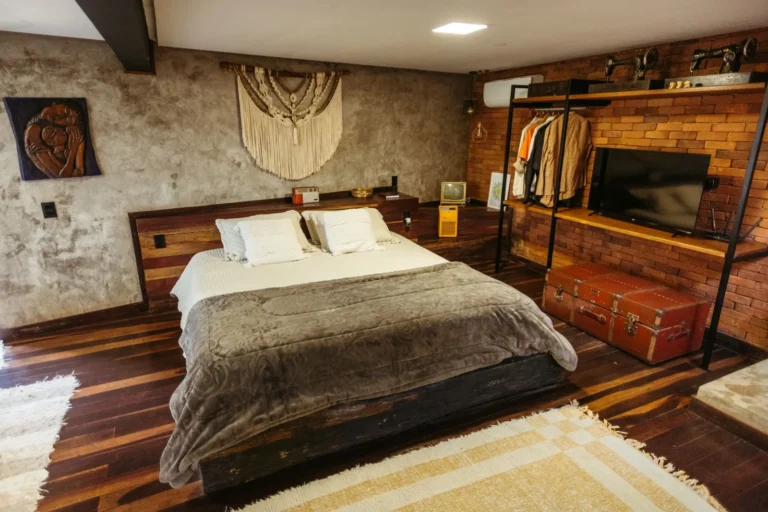
Historically, an inn was a stopover for travelers — a place to sleep, stable a horse, and eat a hot meal before continuing on. That tradition survives in modern bed-and-breakfast inns, historic inns, and the “inns” you find along scenic routes and in small towns.
What you can generally expect from a true inn:
- Fewer rooms — often 5 to 15, which means quieter, more attentive service.
- Breakfast included — and it’s usually made fresh that morning, not a steam-table buffet.
- A resident host — the person who checks you in is often the owner, and they know the local restaurants, trails, and back roads better than any concierge app.
- Distinct rooms — no two rooms are identical; each has its own layout, furniture, and quirks.
- Limited hours — don’t expect a 24-hour desk or late-night room service.
The trade-off is consistency. Because inns are one-offs, standards vary run to run. One historic inn might have a queen bed, fresh linens, and a clawfoot tub; the next might have a sagging mattress and paper-thin walls. Reading recent guest reviews matters more here than it does at a chain hotel.
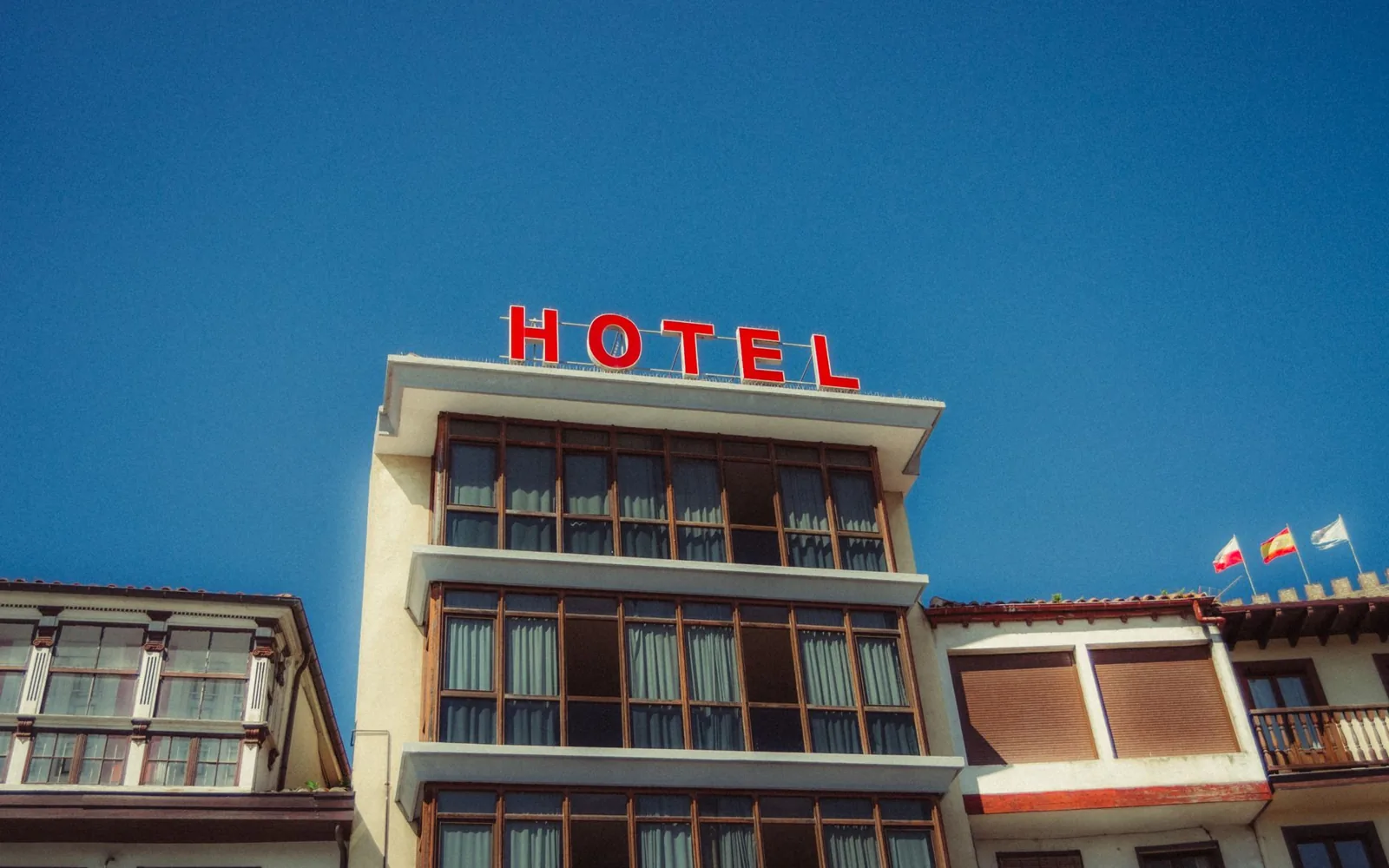
Photo by Altamart via Pexels
What Do You Get at a Hotel?
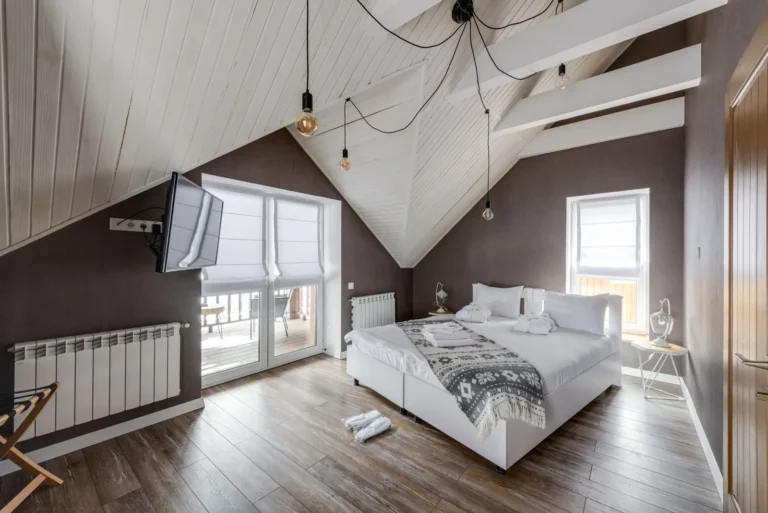
Hotels are engineered for consistency. Whether you book a Marriott in Phoenix or a Hilton in London, the core experience is designed to feel familiar: same check-in flow, same loyalty points, same basic room format.
Here’s what a full-service hotel typically delivers:
- More rooms and capacity — great for groups, events, and last-minute availability.
- 24-hour front desk — check in at midnight or ask for a spare toothbrush at 2 a.m.
- Daily housekeeping — standard at most hotels, though many budget and extended-stay brands now offer it on request.
- On-site amenities — fitness center, pool, restaurant, bar, and sometimes a business center.
- Loyalty programs — chains like Marriott Bonvoy, Hilton Honors, and IHG One Rewards let you earn points on every stay. As The Points Guy details, those points can turn into free nights fast.
The downside is impersonality. You’re a room number, not a name. Hotels in busy districts can also be noisy, and the base rate rarely covers breakfast — expect to pay $15 to $30 extra per person for a hotel breakfast unless it’s explicitly bundled.
Inn vs Hotel: Price and Value Compared
Cost is where the “inn vs hotel” question gets interesting, because the answer isn’t as simple as “inns are cheaper.”
At the budget end, inns and budget hotels often land in a similar band. An independently run inn in a small town might charge $90 to $160 a night, while a Motel 6 or a budget Hampton Inn-style property sits in a similar $80 to $150 range. The inn usually wins on value because breakfast is folded into the price.
At the mid and upper end, the picture flips. Historic inns in tourist towns — think a restored Victorian in a New England village or a wine-country inn in Sonoma — frequently charge $250 to $450 a night, on par with a solid four-star hotel but with far fewer facilities. In that range you’re paying for charm and location, not square footage and amenities.
| Factor | Inn | Hotel |
|---|---|---|
| Typical price range | $90–$160 (small-town) to $250–$450 (historic/tourist) | $80–$150 (budget) to $300+ (full-service) |
| Breakfast | Usually included | Usually extra ($15–$30) |
| Room count | 5–25 | 50–1,000+ |
| Front desk | Limited hours | Usually 24-hour |
| Amenities | Few to none | Pool, gym, restaurant, bar |
| Loyalty points | Rarely | Common (chains) |
| Personal service | High | Low to moderate |
| Consistency | Varies by property | High, standardized |

Photo by Erik Mclean via Pexels
When an Inn Is the Better Choice
An inn tends to win in specific situations. If any of these describe your trip, lean inn.
- You want local flavor. A host who has lived in the area for decades beats a front-desk agent reading from a script. Inns in small towns and rural areas often double as the de facto visitor center.
- You’re on a scenic road trip. Inns along routes like the Pacific Coast Highway, the Blue Ridge Parkway, or the back roads of New England put you closer to the landscape than a chain off the interstate.
- You value included breakfast. When breakfast is part of the rate, a $140 inn is often cheaper in practice than a $110 hotel plus a $20 breakfast.
- You’re traveling as a couple or solo. Small inns are quiet and intimate. They’re rarely built for kids, pets, or noisy groups.
- You’re staying in a town with few hotels. In many small towns, the inn is the only decent place to sleep.
For a closer look at how these smaller properties stack up against other budget options, see our guide to hotel vs motel vs inn.
When a Hotel Is the Safer Bet
Hotels win when the trip demands reliability, capacity, or services that an inn can’t supply.
- You need a defined standard. A chain hotel’s brand standards mean the room will look and work roughly the same every time — a real comfort after a long flight or a bad day.
- You’re traveling with family or a group. Connecting rooms, rollaway beds, pools, and kid-friendly restaurants are hotel territory. Most inns don’t have the space.
- You arrive late or leave early. 24-hour check-in, luggage storage, and a front desk that’s always staffed are hard to beat when your flight lands at 1 a.m.
- You want to earn points. If you travel often for work, staying within one loyalty ecosystem can fund personal vacations. If that’s your goal, a boutique hotel vs chain hotel decision matters more than inn vs hotel.
- You need accessibility and consistency. Larger hotels are more likely to have elevators, accessible rooms, and staff trained to handle requests.
If budget is the dominant factor, it’s worth comparing inns and hotels against the broader alternatives — our breakdown of is Airbnb cheaper than hotels covers the full range.
How to Decide Between an Inn and a Hotel
Strip out the marketing and make it a three-question decision.
1. What’s the non-negotiable? If it’s a pool, gym, late check-in, or loyalty points, that’s a hotel. If it’s character, a quiet room, and a homemade breakfast, that’s an inn.
2. What does the total nightly cost really come to? Add hotel breakfasts and parking fees before you compare against an inn’s all-in rate. Fees can erase a $20 nightly “savings” instantly.
3. How much do reviews move you? At an inn, read the last ten reviews carefully — an inn changes hands and quality can swing with it. Lonely Planet’s accommodation guides and traveler forums are good places to cross-check smaller properties before you book.
Whichever way you go, book the room type that matches your needs, and don’t let the word “inn” or “hotel” on the sign make the decision for you.
Frequently Asked Questions
Is an inn cheaper than a hotel?
Not always. Budget inns and budget hotels often cost about the same, but inns usually include breakfast, which can make them the better value. Historic inns in popular tourist towns can cost as much as a four-star hotel.
What’s the difference between an inn and a bed-and-breakfast?
They overlap heavily. A bed-and-breakfast is a specific type of inn that always includes a morning meal. Not every inn serves breakfast, and not every inn is a B&B — but most small inns today are essentially the same thing.
Do inns have 24-hour check-in?
Rarely. Most inns have limited front-desk hours, so late arrivals need to be arranged in advance. If you’re landing late or driving through the night, a hotel’s 24-hour desk is the safer bet.
Can you earn hotel loyalty points at an inn?
Almost never. Inn points programs are extremely rare, so if accumulating free nights matters to you, a chain hotel is the practical choice.
Are inns good for families?
Usually not. Small inns have fewer rooms, quiet atmospheres, and often an adults-first vibe. Hotels offer the space, pools, and flexibility families tend to need.
The Bottom Line
Inn vs hotel isn’t a contest with a single winner — it’s a question of what kind of trip you’re taking. Pick an inn when you want charm, a personal welcome, and breakfast rolled into the rate. Pick a hotel when you need reliability, late check-in, amenities, or points.
Know your one non-negotiable, do the real math on the nightly total, and read recent reviews. Once you’ve done that, you’ll rarely book the wrong bed again. Ready to compare your options? Browse Stayvista’s accommodation guides to find the right stay for your next trip.