

Is VRBO Cheaper Than a Hotel? A Real-World Cost Comparison
The short answer is yes, usually — if you’re traveling with a group or staying at least three or four nights. VRBO’s whole pitch is a full home or apartment for roughly the price of one or two hotel rooms, and for families and friend groups that math holds up often. But the honest answer to “is vrbo cheaper than hotel” is more complicated than the nightly rate suggests, because what you see on the search page is rarely what you actually pay.
For a solo traveler or a couple on a one- or two-night stay, a hotel is frequently cheaper once fees land. For a family of five in one three-bedroom rental, VRBO can handily undercut booking two cramped hotel rooms for a week. Everything in between comes down to the fees, the destination, and how you travel.
This guide breaks down exactly where VRBO’s savings are real and where a hotel quietly comes out ahead, so you can book the option that actually fits your budget rather than the one with the more attractive sticker price.
How VRBO Pricing Really Works
Hotels quote one nightly rate, add tax, and that’s mostly it (resort fees being the annoying exception). VRBO’s pricing is built differently, and understanding the moving parts is the whole game.
The advertised nightly rate is the number a host sets, and it often looks unbeatable — a whole cabin on a lake for $129 a night sounds absurd next to a $180 Holiday Inn. But VRBO stacks several charges on top before checkout.
The cleaning fee is the big one. Hosts set this themselves, and it’s charged once per stay, not per night. On a week-long booking, a $150 cleaning fee works out to about $21 per night and is easy to absorb. On a two-night weekend, that same $150 fee adds $75 a night, and suddenly the “cheap” rental isn’t cheap at all.
Service fees are how VRBO makes its money. In 2023 VRBO shifted to a split structure: the guest pays a guest service fee, and hosts now pay their own host fee rather than passing the entire cost through. In practice, most US listings still show a guest service fee in the 6% to 15% range depending on the booking, on top of the nightly rate and cleaning fee.
Taxes depend on the location. Many VRBO listings don’t show taxes on the search page at all, then reveal a 10% to 15% lodging and sales tax hit at checkout. Some hosts collect local occupancy taxes; in cities with short-term-rental laws, you’ll also see a permit or registration surcharge.
The result is that a listing advertising $140 a night can check out at $210 to $230 a night once cleaning, service, and tax are added. VRBO added a “Total price” toggle that lets you display everything up front — turn it on before you compare anything.
Is VRBO Cheaper Than a Hotel?
For most group bookings and stays of four nights or more, yes. The per-person math is where VRBO wins decisively, because a hotel charges per room while a rental charges per unit.
Take a common scenario: two couples traveling together to Charleston, South Carolina. A decent hotel room downtown in the spring runs $220 to $280 a night, and two couples need two rooms — call it $480 a night all in. A two-bedroom VRBO apartment in the same district might list at $240 a night. With a $120 cleaning fee and roughly 12% in combined service fees and taxes on a four-night stay, the rental lands around $330 a night. That’s still $150 a night less than the two hotel rooms, and it comes with a kitchen and a living room.
Now flip the scenario. A single traveler spending two nights in Nashville will pay the full cleaning fee and service fee alone. A $150-a-night listing becomes roughly $260 a night after a one-time cleaning fee is spread over just two nights, while a solid hotel room downtown is $180 to $220 a night with no cleaning line item. The hotel wins, and it also throws in daily housekeeping and a front desk.
The break-even point is different in every market, but as a rule of thumb: the more people in your group and the longer your stay, the more likely VRBO is the cheaper option. The two situations where the comparison reverses — short stays and small parties — are exactly the trips where hotels dominate.
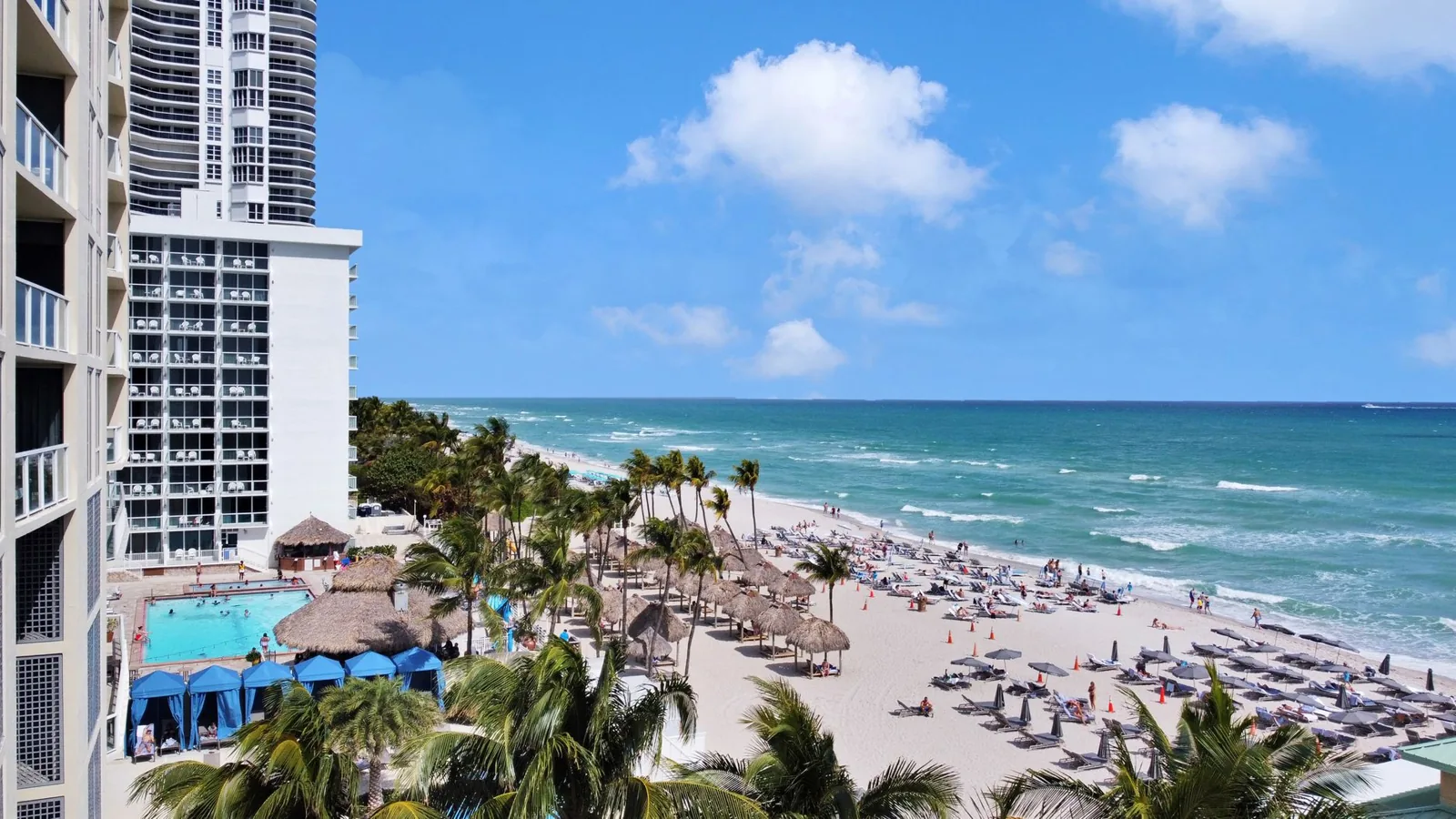
Photo by Barion McQueen via Pexels
Where VRBO Beats Hotels on Price
VRBO’s edge isn’t just the headline rate. The savings compound once you factor in the parts of travel that hotels charge extra for.
Kitchens cut your food bill. Eating out three times a day is one of the biggest hidden costs of any trip, especially for families. A rental with a real kitchen lets you cook breakfast and pack lunches, which easily saves a family of four $60 to $100 a day. That’s real money over a week, on top of the room savings.
One home replaces multiple rooms. Even if the per-night rental price is higher than a single hotel room, it’s almost always lower than the two or three rooms a family or friend group would need. Three couples splitting a $400-a-night four-bedroom house pay about $133 each — a price at which they’d struggle to find three separate hotel rooms anywhere decent.
Parking and laundry are usually free. Urban hotels routinely charge $40 to $70 a night for parking and $3 to $5 a load for washing. Most VRBO rentals include a driveway or garage, and a washer and dryer ride along at no extra cost.
Long stays get discounts naturally. Because the cleaning fee is charged once, a 10-night or month-long stay spreads it to almost nothing nightly. VRBO also shows hosts a monthly-discount flag, and many hosts drop 20% to 40% for 28-day-plus bookings. Our guide to Airbnb vs. hotel for long stays digs into how the same logic plays out on the other platform.
If your trip involves a big group, a week, or both, VRBO is usually the cheaper choice by a wide margin. Long-stay travelers and families on a budget should start their search there.
Where Hotels Beat VRBO on Price
Hotels win the comparison in a few specific, very common situations — and the reasons go beyond the cleaning fee.
Short stays kill the rental math. On a one- or two-night booking, the cleaning fee gets spread nowhere. A $120 cleaning fee on one night is a 100% price hike on a $120 listing. Hotels bundle housekeeping into the nightly rate and charge nothing extra for a short stay.
Solo travelers and couples pay retail. A rental’s price per person only looks good when you’re filling bedrooms. Two people in a two-bedroom house are paying for space they don’t use, while a hotel room is priced for exactly the two people who’ll occupy it.
Booking direct avoids platform fees. Hotels have their own loyalty rates, and many chains offer a member discount that undercuts the online travel agencies. Booking a Marriott or Hilton property direct with a loyalty number typically shaves 5% to 10% off, and you keep points toward free nights. VRBO has no comparable rewards program for guests.
Cancellation is far more lenient. Most big-brand hotels let you cancel up to 24 or 48 hours before arrival with no penalty. VRBO’s policy is split between hosts, and a meaningful share of listings enforce a “firm” or “strict” policy that keeps 50% to 100% of your money if you cancel anywhere from 30 to 60 days out. For an uncertain trip, the flexible cancel costs you nothing at a hotel and can cost hundreds on VRBO.
For more on the broader trade-off, see our breakdown of the Airbnb vs. hotel cost question — the fee structure is similar, though VRBO skews further toward whole houses and longer stays.

Photo by Sasha Lopyrev via Pexels
A Side-by-Side Cost Comparison
To make the numbers concrete, here’s a four-night stay for two scenarios — a family of four and a couple — using realistic mid-2025 ranges across US markets.
| Factor | VRBO (2-bed rental) | Hotel (2 rooms) |
|---|---|---|
| Advertised nightly rate | $230 | $180 × 2 rooms |
| Cleaning fee (one-time) | $130 | $0 |
| Service/platform fees | ~8% | $0 |
| Taxes | ~12% (varies) | ~12% (varies) |
| Estimated total, 4 nights | ~$1,380 | ~$1,610 |
| Kitchen access | Yes | No |
| Free parking / laundry | Usually | Rarely |
| Cancellation flexibility | Host-dependent | Usually 24–48 hours |
Run the same table for a couple staying two nights and it flips: the two-bedroom VRBO comes out around $700 all in, while a single hotel room at $180 a night plus tax lands near $440. The rental’s cleaning fee and oversized space work against you when there are only two guests to split the bill.
The pattern is consistent across destinations — from beach towns in Florida to ski towns in Colorado — because it’s driven by structure, not geography. Group size and trip length decide which option is cheaper far more than the city you’re visiting.
How to Make Sure VRBO Actually Saves You Money
VRBO’s savings are real but not automatic. A few habits turn the comparison in your favor before you ever hit “book.”
Toggle on total price. VRBO’s display includes a toggle to show the all-in price including fees. Always switch it on so you’re comparing final numbers, not sticker prices.
Filter for the right headcount. A three-bedroom house for two people is wasted money. Search by the number of guests you actually have and the configuration you need, and don’t pay for extra bedrooms you’ll leave empty.
Stretch short stays into longer ones. If you’re on the fence between a two-night and a three-night weekend, the extra night often costs less than you’d think once the cleaning fee is already spread. The marginal night is cheap; the first night is the expensive one.
Read the cancellation terms before paying. A slightly pricier listing with a flexible policy can be cheaper than a bargain with a strict one if your plans are at all fluid.
Check the fees line-by-line at checkout. Cleaning fee, service fee, and taxes should all be itemized. If a number looks wrong — an unusually high pet fee, an odd “resort fee” line — message the host before booking rather than after.
For the reverse comparison, see how the same math plays out on Airbnb in our piece on whether Airbnb is cheaper than hotels. The two platforms share a fee philosophy, but VRBO’s inventory leans harder into entire homes, which changes the numbers for couples and solos.
Frequently Asked Questions
Is VRBO always cheaper than a hotel?
No. VRBO is usually cheaper for groups of four or more and for stays of three or four nights or longer, because you split one unit’s cost across more people and absorb the cleaning fee over more nights. For solo travelers, couples, and one- or two-night stays, a hotel is frequently cheaper.
Why does my VRBO total cost more than the nightly rate?
Three charges usually explain the gap: a one-time cleaning fee, a service fee that runs roughly 6% to 15% of the booking, and lodging taxes that many listings don’t display until checkout. Turn on the total-price toggle to see everything up front.
How much is a typical VRBO cleaning fee?
Cleaning fees vary by market and property size but most commonly land between $75 and $250 per stay. The fee is charged once, so it matters far less on a week-long booking than on a short stay.
Does VRBO have hidden fees?
Nothing is hidden in the sense of being invisible at checkout, but fees are easy to miss on the search page if you don’t display the total price. Cleaning, service, and tax charges are all itemized on the final payment screen, and the total-price toggle reveals them earlier in the process.
Is VRBO cheaper than a hotel for monthly stays?
Almost always. The cleaning fee spreads to nothing across 28-plus nights, hosts often apply a 20% to 40% monthly discount, and a full kitchen cuts food costs dramatically. For stays of a month or more, a rental is typically the clear winner.
For rental vs. hotel math, NerdWallet compares VRBO and hotel pricing.
The Bottom Line
So, is vrbo cheaper than hotel? For families, friend groups, and anyone staying four nights or longer, the answer is yes — often by hundreds of dollars, once the kitchen, free parking, and laundry savings are counted. For couples and solo travelers on short stays, the answer is usually no, because a one-time cleaning fee and platform service fees hit a small party hard, while a hotel charges per room and cancels free.
The comparison only ever makes sense at the total-price level. A VRBO listing’s sticker rate will mislead you, so toggle on the final number before you compare, factor in who’s traveling and for how long, and book whichever comes out lower. Do that, and the cheaper option will be obvious every time.
Planning a longer trip? See our guide to Airbnb vs. hotel for long stays for the same cost math on the other major platform, or read hotel vs. motel vs. inn to sort out the other lodging labels.