Airbnb vs Hotel Cost: Which Is Cheaper in 2026?
The airbnb vs hotel cost question looks simple on the surface: compare the nightly rate, pick the lower number, book. In practice, the math is messier than most travelers think, because the two price structures barely overlap. A hotel quotes a nightly rate that is often not the final price, and an Airbnb quotes a nightly rate that is almost never the final price.
I say this as someone who books both week in and week out. The real answer to “which is cheaper” depends on three variables: how long you are staying, how many people are traveling, and where you are going. Get those right and you can reliably save hundreds on a single trip. Get them wrong and the “cheap” option quietly becomes the expensive one.
This guide breaks down the true cost of each option, using real price ranges and concrete examples, so you can stop guessing and start comparing on actual numbers.
The Sticker Price vs. What You Actually Pay
Hotels and Airbnbs hide their true cost in different places. Understanding that difference is the whole ballgame.
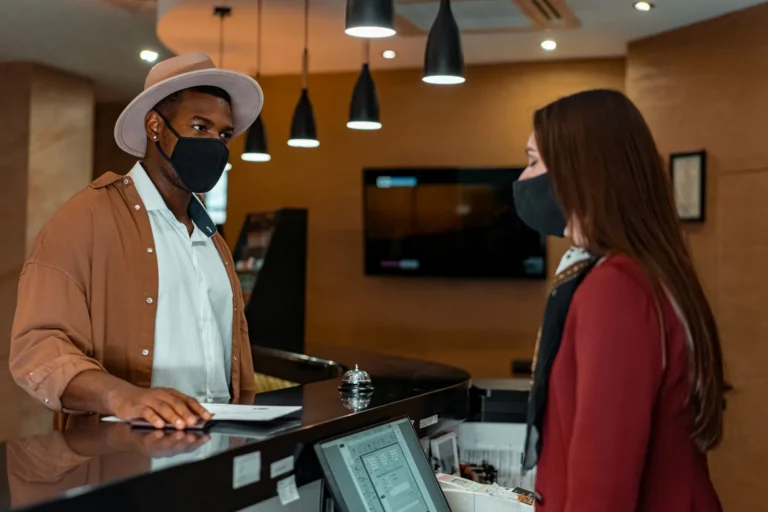
A hotel’s advertised nightly rate typically excludes taxes and, in many destinations, a nightly resort or facility fee. In the US, lodging taxes (state plus local) commonly add 10% to 17% on top of the base rate. A $150 room in Miami becomes roughly $170 to $175 before you have paid for parking, breakfast, or Wi-Fi in hotels that still charge for it.
An Airbnb works the other way. The nightly rate is real, but Airbnb adds a guest service fee of roughly 14% in most markets plus a cleaning fee that the host sets independently. That cleaning fee is the wildcard: it can be $25 on a private room or $150 on a three-bedroom house, and it is charged once per stay, not per night.
That “once per stay” detail is why the airbnb vs hotel cost equation flips depending on trip length. A big cleaning fee spread across one night is brutal. Spread across seven nights, it often disappears.
Airbnb vs Hotel Cost: A Side-by-Side Comparison
Here is how the two options stack up on the factors that actually move the final bill for a typical two-person, three-night stay in a mid-size US city.
| Factor | Airbnb (entire place) | Mid-range Hotel |
|---|---|---|
| Nightly rate | $95–$140 | $140–$180 |
| Cleaning fee | $50–$120 (one-time) | None |
| Service / resort fee | ~14% guest fee | $0–$40/night resort fee |
| Taxes | Included in guest fee flow | 10–17% added at checkout |
| Kitchen | Usually full | Usually none |
| Parking | Often free | $15–$45/night |
| Price transparency | Shown at checkout | Shown at checkout |
| Loyalty points | None | Earnable + redeemable |
For a one-night stay, the hotel usually wins, because the Airbnb cleaning fee lands entirely on that single night. For a week, the Airbnb often wins by a wide margin once you factor in the kitchen, free parking, and no daily resort fee.
When Airbnb Is Cheaper
Airbnb dominates in four clear scenarios, and the savings are not subtle.
First, long stays. Booking a week or more splits the cleaning fee across many nights and lets you use the kitchen, which removes restaurant meals from your daily budget. For a month, the gap is enormous — a hotel rarely competes on a 28-night rate the way a host desperate to fill a calendar does. If you are planning an extended trip, read our breakdown of Airbnb vs hotel for a long stay.
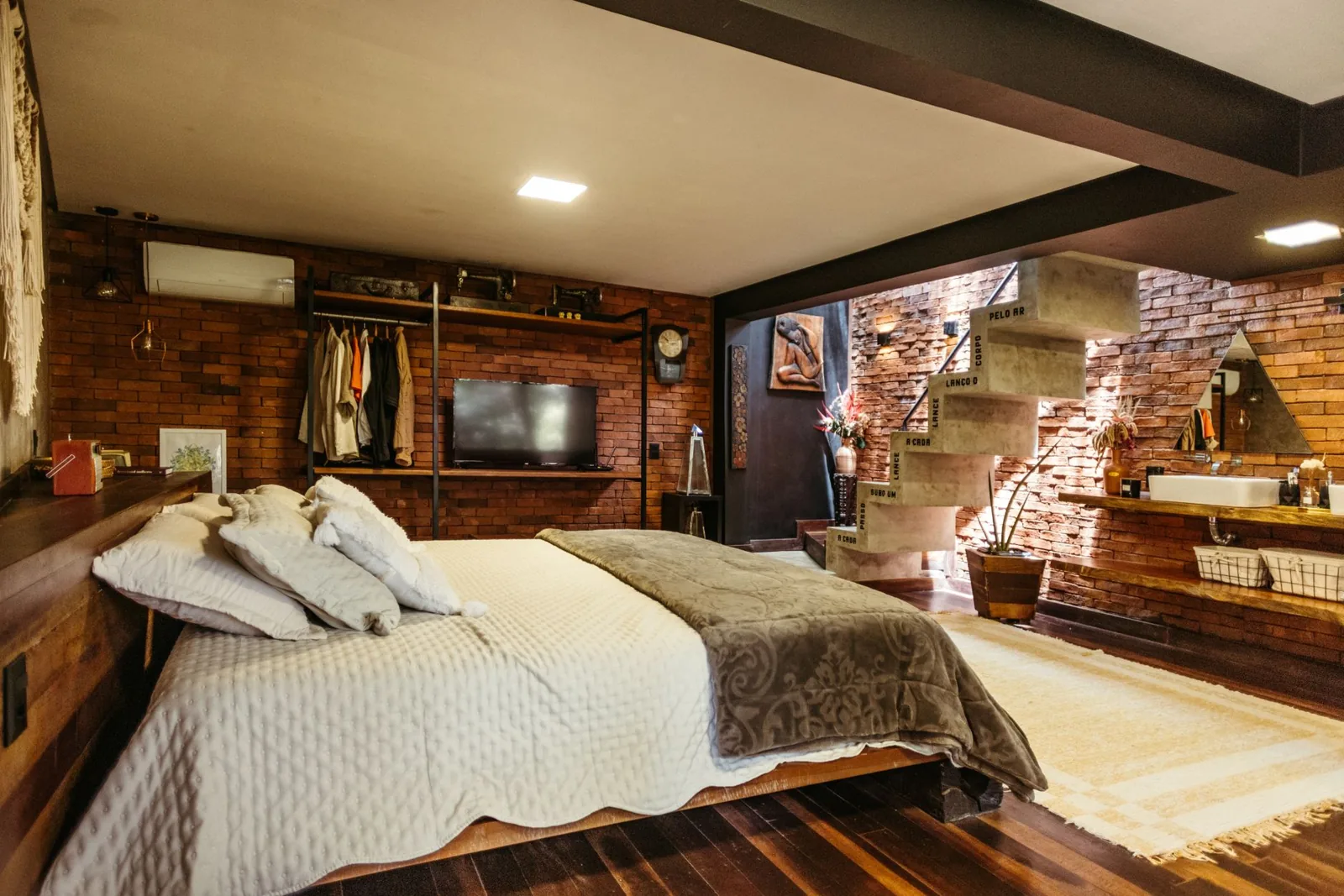
Second, groups. A $120-a-night two-bedroom apartment that sleeps four beats two $130 hotel rooms every time, and it usually adds a living room and a kitchen. The per-person math is where Airbnb is hardest to beat.
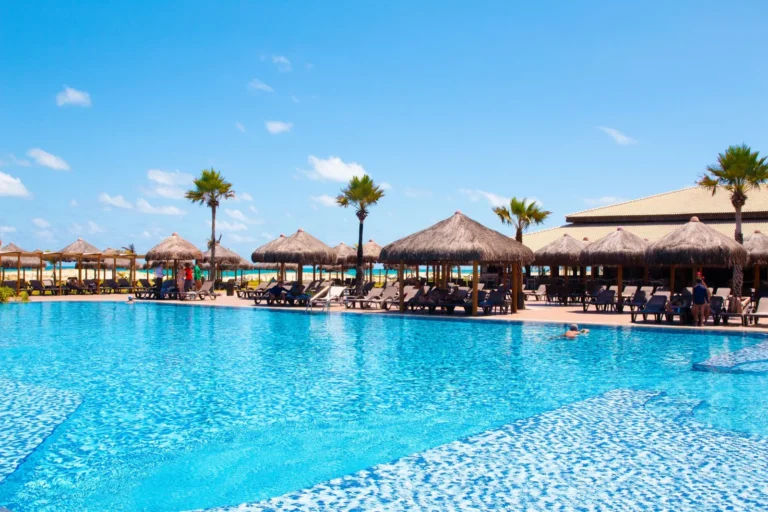
Third, cities with high parking and resort fees. In destinations like Las Vegas strip hotels or downtown Miami, a $25–$45 nightly parking charge and a $35 resort fee add $60 to $80 per night before you step inside. Airbnbs in residential neighborhoods often include driveway or street parking for free.
Fourth, families wanting a kitchen. Parents traveling with kids save real money on breakfasts and dinners. Two restaurant meals a day for a family of four can top $120, every single day.
When Hotels Win on Cost
There are just as many cases where a hotel is genuinely the cheaper and easier play.
Short stays of one to two nights. The Airbnb cleaning fee — applied once — effectively doubles or triples the per-night cost on a one-night booking. A $90 Airbnb can land at $180 after fees, while a $110 hotel stays near $110 plus tax.
Solo business travel. Hotels cluster near airports, convention centers, and downtowns where the work actually happens. They have reliable Wi-Fi, no check-in coordination with a host, and loyalty points that offset future stays. For one person, the “savings” of a whole apartment are wasted.
Last-minute bookings. Hotels release inventory dynamically and will often cut rates to fill the property. Airbnb hosts rarely discount the same way, and almost none do daily housekeeping or a 24-hour front desk.
Stays where certainty matters. A cleanser-free zone is not always an advantage. Hotels offer guaranteed check-in times, on-site staff, and a fallback room if something breaks. That is worth money, especially on a tight itinerary.
For more on how hotels compare to the broader lodging field, see our guide to hotel vs motel vs inn.
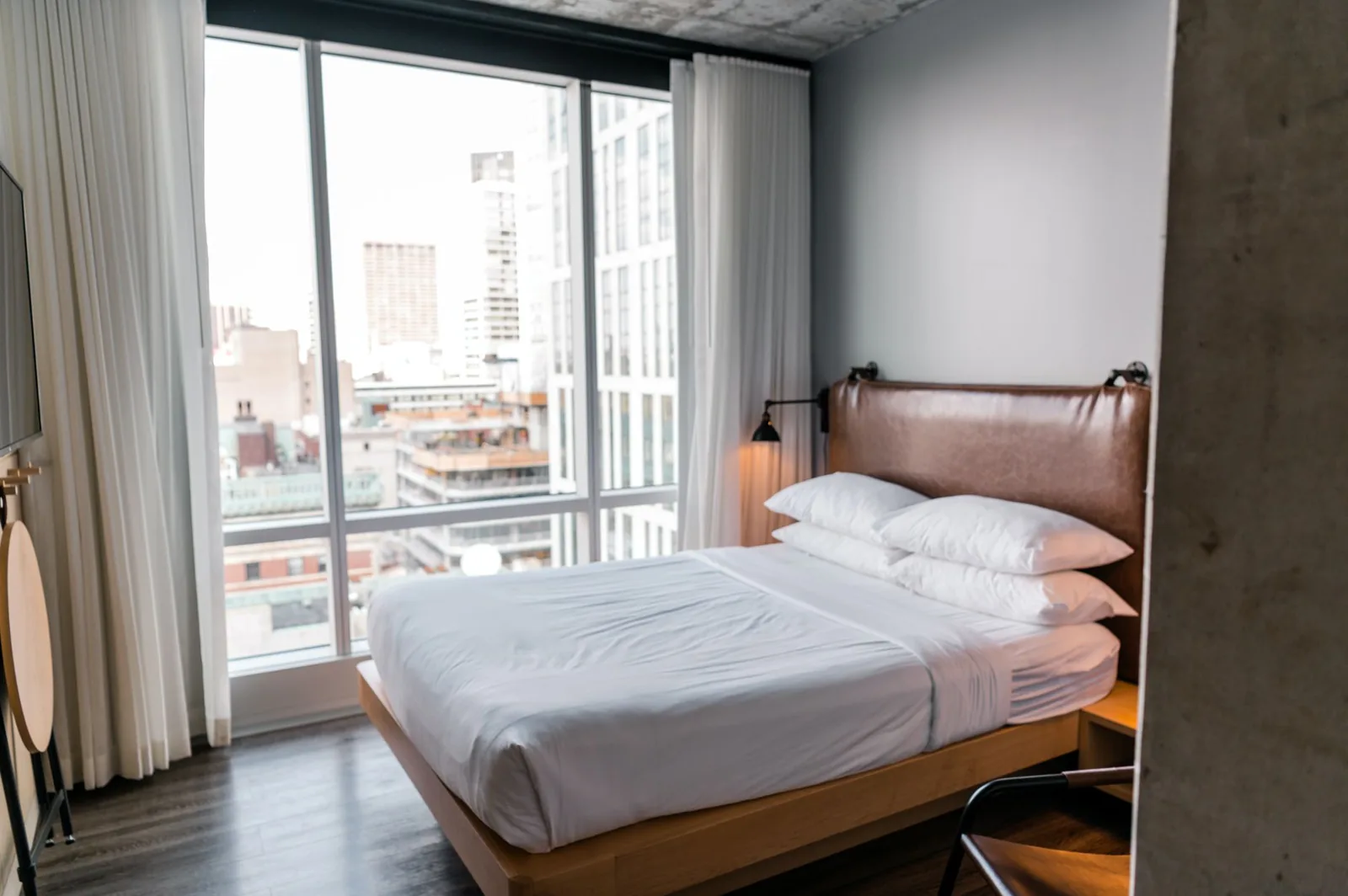
Photo by Andrea Davis via Pexels
Hidden Fees That Inflate the “Cheap” Airbnb Listing
The single biggest reason people overpay is that they compare the Airbnb nightly rate to the hotel nightly rate and stop there. Here is what they miss.
- Cleaning fee. Always check it. A $99 rental with a $99 cleaning fee for a two-night stay is effectively $148.50 per night, not $99.
- The Airbnb guest service fee. Roughly 14% of the subtotal in most markets, and it scales with the price. On a $700 week-long booking that is around $98.
- Taxes. Airbnb collects lodging taxes in most jurisdictions now, but the timing of when they appear in the flow differs, so the first price you see is rarely the last.
- “Extras” behind the listing. Some hosts charge for pets, extra guests after the first two, early check-in, or late checkout. Read the House Rules before booking.
- Parking you assumed was free. In dense cities, a listing may have no dedicated spot, forcing you onto street permits or a $20–$40 garage.
None of these are hidden in the sense of being deceptive — Airbnb shows them all before you confirm — but they are easy to gloss over when you are comparing a headline number.
How to Run an Honest Airbnb vs Hotel Cost Check in Five Minutes
Doing this right takes about five minutes, and it will beat any rule of thumb.
- Pick a place and a date range, not a general “average.” Costs swing too much city to city to trust national figures. Search both platforms for the exact same nights.
- Take the Airbnb all the way to the booking screen. Note the subtotal, cleaning fee, service fee, and taxes. Divide by nights; that is your real per-night Airbnb cost.
- Do the same for the hotel. Add estimated taxes (10–17%), resort fees, and parking to the nightly rate.
- Factor usage, not just lodging. A kitchen saves $40–$120/day in meals for a family. Free parking saves $25–$45/night. Loyalty points return 5–10% of the room rate on future stays.
- Compare totals, then decide. If the spread is under about $15/night, choose on comfort and convenience rather than price.
That last step matters. Saving $8 a night is not worth a 40-minute commute to the convention center or an evening spent coordinating a lockbox handoff.
Photo by Jonathan Borba via Pexels
For a deeper look at whether vacation rentals really undercut hotels, see is Airbnb cheaper than hotels, and if you are weighing different property classes entirely, our hotel vs resort guide covers that decision.
Frequently Asked Questions
Is Airbnb always cheaper than a hotel?
No. Airbnb is usually cheaper for stays of three nights or more, for groups, and for trips where a kitchen and free parking matter. Hotels are often cheaper for one- or two-night stays because an Airbnb’s cleaning fee lands entirely on those nights.
Why are Airbnb cleaning fees so high?
The cleaning fee is set by the host and reflects what it costs to turn the property for the next guest — laundry, sanitizing, and the host’s or cleaner’s time. Because it is charged once per stay, it punishes short bookings and rewards long ones, which is by design.
Do hotel nightly rates include taxes?
Usually not. Most hotels quote a base rate and add 10–17% in state and local lodging taxes at checkout, plus any resort or facility fee, which in the US can run up to $45 per night in some destinations.
Is Airbnb cheaper for a one-night stay?
Rarely. Between the cleaning fee and the guest service fee, a one-night Airbnb frequently costs more than a comparable hotel room. For a single night, price the hotel first.
Does Airbnb charge a service fee to guests?
Yes. Airbnb charges guests a service fee of roughly 14% in most markets, which is added to your nightly rate, cleaning fee, and taxes before you pay.
The Bottom Line
The airbnb vs hotel cost comparison has a short answer and a long one. The short answer: for short stays and solo trips, book a hotel; for long stays, groups, and anyone who will actually cook, book an Airbnb.
The long answer is that the winner changes with the calendar. A $90 nightly rate means nothing until you have added the cleaning fee, the service fee, parking, taxes, and the meals you will eat because there is no kitchen. Run the five-minute check above on your specific dates and destination, and the “cheaper” option will reveal itself in the totals rather than in the headline rates.
Where the numbers come out close, remember that a hotel buys you certainty — a front desk, daily housekeeping, and loyalty points — while an Airbnb buys you space and a kitchen. Both are worth money; which one is worth more is a function of your trip.
For more head-to-head lodging comparisons and honest, number-driven advice on where to stay, browse our Hotel Alternatives guides and check NerdWallet’s independent look at short-term rental and hotel pricing before you commit.