Airbnb vs Hotel Safety: Which Is Safer for Your Next Trip?
When travelers weigh airbnb vs hotel safety, they usually ask a version of the same question: “If something goes wrong at 2 a.m., who is actually there to help?” It is a fair question, because the two experiences are built very differently. A hotel runs a staffed building with standardized locks, fire systems, and a front desk that never closes. An Airbnb puts you in someone’s home — often an empty apartment with a lockbox on the door and a host who lives three time zones away.
Neither option is dangerous by default, and the honest answer is that both can be very safe when you know what to check. The differences come down to four things: who verifies the people around you, how the building handles emergencies, what happens when a reservation goes wrong, and how much of the risk you manage yourself.
Here is a grounded look at how each side handles safety, where the real risks sit, and what to check before you book.
How Hotels Handle Security and Guest Safety
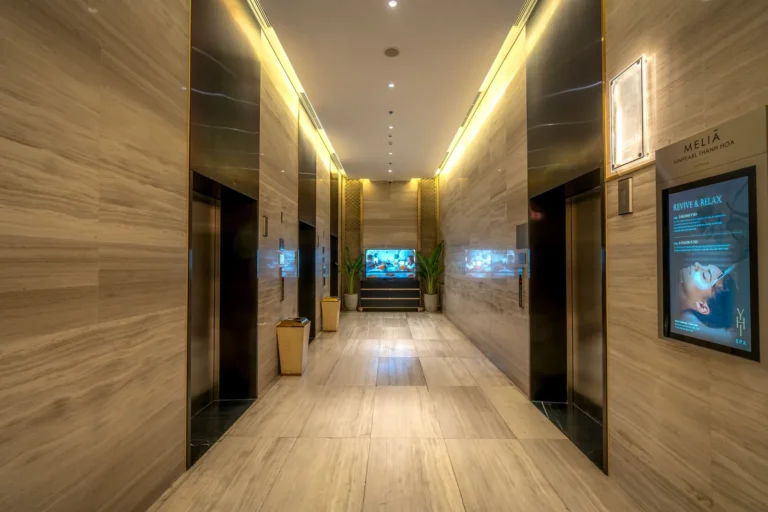
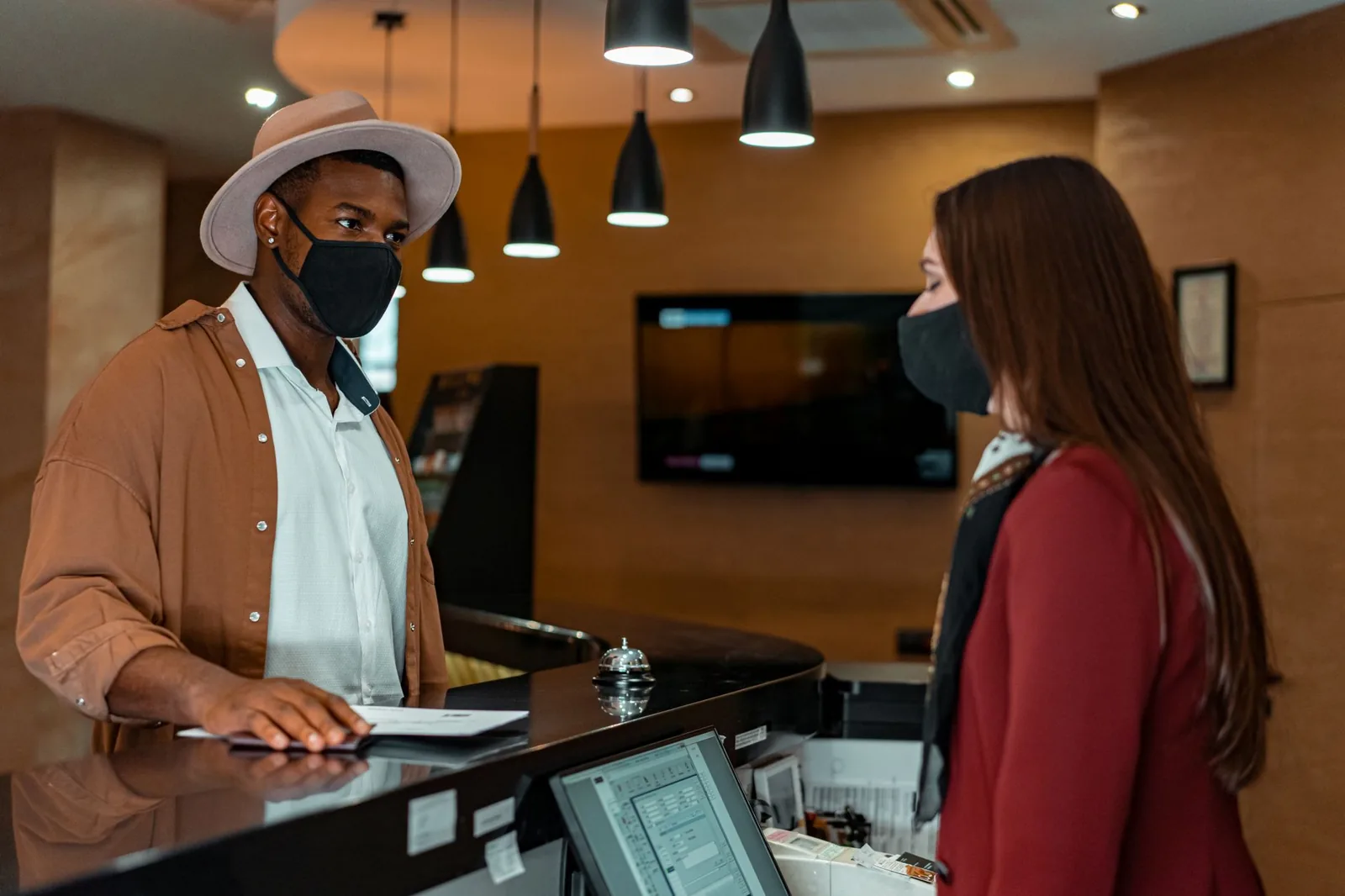
Hotels in the US, UK, Canada, and Australia operate under building codes and hospitality regulations that short-term rentals can largely sidestep. Most chain properties have someone at the front desk 24/7, keycard door locks with an access log, deadbolts on guest room doors, and surveillance in lobbies, hallways, and parking areas. Fire safety is tightly regulated: sprinklers, smoke and carbon monoxide detectors, illuminated exit signs, and staff who run evacuation drills are standard in almost every branded property.
There is also an institutional layer. A guest who feels unsafe has a clear chain to escalate through — front desk, manager on duty, corporate security, then local police. When a booking dispute happens, a hotel can typically move you to another room on the spot rather than leaving you to sort it out by phone at midnight. On the cleanliness side, rooms are cleaned on a schedule by trained staff, and reputable hotels follow documented procedures for linens and surfaces.
The trade-off is accountability over flexibility. Hotels are safe in large part because they are standardized, and that standardization is exactly what makes them feel impersonal compared with a rental home.
How Airbnb Handles Safety and Verification
Airbnb’s approach is to push safety onto the platform and the host rather than a staffed building. Key protections include:
- Identity verification. Many bookings require hosts and guests to confirm a government ID before the stay is finalized.
- Background checks. In the US, Airbnb screens hosts (and, where permitted, guests) against criminal records and sex offender registries.
- Host damage protection and liability insurance. Airbnb’s AirCover program offers up to $3 million in host damage protection and $1 million in liability coverage on qualifying stays.
- 24/7 safety line. A dedicated support line connects guests to emergency services and Airbnb’s trust and safety team around the clock.
- Review system. Two-way reviews surface red flags — dirty units, suspicious locks, hosts who host parties — that hotels rarely expose publicly.
None of this replaces a front desk, and that matters most in an emergency. If a pipe bursts at 1 a.m. or a neighbor’s smoke detector trips your unit’s alarm, Airbnb support is a phone call, not a walk down the hall.
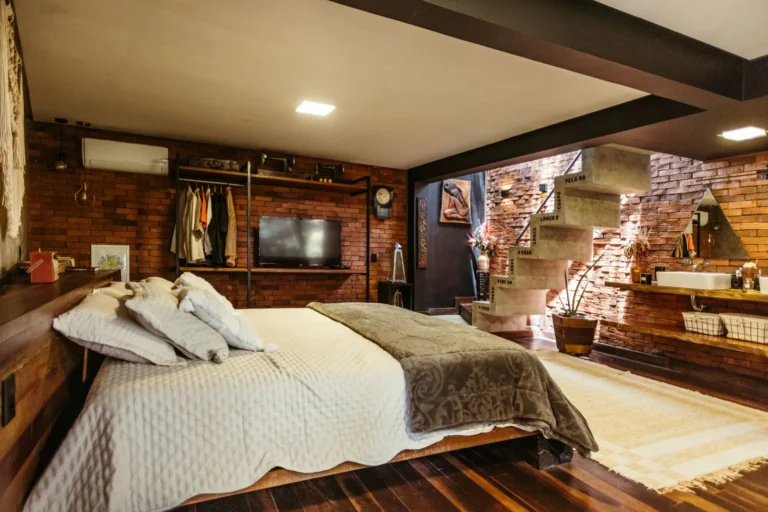
Photo by Mikhail Nilov via Pexels
Photo by Mikhail Nilov via Pexels
Airbnb vs Hotel Safety Across Key Factors
When you line the two up, neither wins every category. The safer choice depends on which risk you care about most.
| Factor | Hotel | Airbnb |
|---|---|---|
| On-site staff | 24/7 front desk and security | Usually none on-site |
| Room locks | Keycards with access logs | Host-managed; quality varies by listing |
| Guest screening | Minimal (name + payment) | ID verification and background checks |
| Fire & building code | Regulated and inspected | Uneven; varies by city and host |
| Emergency response | Staff on-site, trained procedures | Phone-based support line |
| Reviews of the space | Rare and generic | Detailed, recent, host-specific |
| Scam & fraud risk | Low for full-price bookings | Higher via fake or cloned listings |
| Privacy | Shared walls, staff access | Private home, few strangers |
The pattern is clear: hotels are stronger on the physical and procedural side, while Airbnb’s verification and review systems give you a clearer picture of the specific space and host you are actually booking.
Emergency Preparedness and Fire Safety
If there is one area where the safety gap between hotels and rentals is widest, it is here. Hotels are subject to inspection cycles, occupancy limits, and fire-marshal oversight that force them to maintain working alarms, clear exits, and accessible extinguishers. A major chain cannot legally operate a room without working smoke detection.
An Airbnb can be exactly as safe — but that depends on the host and the city. Some jurisdictions, including New York City and several European capitals, now require short-term rentals to meet the same fire and safety standards as hotels. Others do not, which means a listing can be a converted garage with a single exit and a space heater. Airbnb has added guidance and, in some markets, requires hosts to confirm working detectors, but enforcement is inconsistent.
The practical rule: check the listing for smoke and carbon monoxide detectors, count the exits in the photos, and read recent reviews for mentions of anything that looks unsafe. If a unit is a basement or above a garage, ask the host directly about the exit route before you book.
Scams, Hidden Cameras, and Bad Guests
Most safety concerns about Airbnb are not fire or violence — they are fraud and privacy. The most common issues travelers report:
- Fake or cloned listings. Scammers copy a real listing’s photos and price, collect payment off-platform, and disappear.
- “Bait and switch” units. The listing shows one apartment; the host hands you keys to a worse one nearby.
- Hidden surveillance cameras. Airbnb bans cameras inside rentals and requires hosts to disclose any exterior or doorbell cameras, but violations still get reported by guests.
- Party or noise complaints. In apartments, a noisy neighbor or an unapproved gathering can bring police to the door.
Hotels have their own version of these problems, but at a much lower rate for the simple reason that a hotel has a legal address, a license, and staff you can hold accountable face to face.
How to Stay Safe in an Airbnb
You are your own security desk in a rental, so do the work up front:
Before you book
- Book and pay only through Airbnb. Anyone asking for off-platform payment or a direct bank transfer is almost certainly a scam.
- Read the listing’s safety section and confirm smoke and CO detectors are listed.
- Check for a “Superhost” or long, consistent review history — not just a high average.
- Compare the photos against the map and the neighborhood using street view when something looks off.
After you check in
- Test the lock, and confirm the door deadbolts from the inside.
- Do a quick sweep for undisclosed cameras in bedrooms and bathrooms (look for lenses, glowing lights, and devices near outlets).
- Note the nearest exit and the building’s evacuation route.
- Keep the Airbnb app on your phone — the 24/7 safety line and your reservation details live there, not in your email.
Hotels strip most of this checklinary out of the process. That convenience is part of what you pay for, though it rarely shows up as a line item on the bill.
Frequently Asked Questions
Is Airbnb safe for solo travelers?
Generally yes, with the right filters. Choose listings with hundreds of solid reviews, an entire-place unit rather than a shared room, and a host who responds quickly. Share your address and check-in time with a friend, and use the in-app messaging only.
Are hotels safer than Airbnb for families?
For families, hotels often edge ahead because of staff on-site, controlled access, and predictable emergency procedures. That said, a well-reviewed family rental with a private kitchen can be just as safe and far more comfortable for longer stays.
Does Airbnb do background checks on guests?
Airbnb screens hosts in the US and runs background checks on both hosts and guests where local law allows. It also verifies identity on a large share of bookings, which is more screening than most hotels perform.
What is AirCover and does it protect guests?
AirCover is Airbnb’s insurance program. The host damage protection covers up to $3 million in property damage and $1 million in liability for participating hosts. It is strongest as a host safeguard; guests are better served by the platform’s refund and rebooking policies when a listing is misrepresented.
How do I avoid hidden cameras in a rental?
Stick to highly reviewed hosts, read the listing’s disclosure section for camera notes, and do a visual sweep of bedrooms and bathrooms on arrival. Undisclosed interior cameras violate Airbnb policy, and you can report them to support immediately.
The Bottom Line
Airbnb vs hotel safety is less a contest with a clear winner than a question of what you need. If you want guaranteed on-site help, inspected fire systems, and the ability to resolve a problem by walking to the front desk, a hotel is the safer default — especially for a solo trip, a big city, or anyone traveling with children. If you want the privacy of a whole home and you are willing to do a little due diligence, a reviewed Airbnb from a strong host is a perfectly safe way to travel, with a verification and review system that hotels simply do not have.
The smart move is to match your risk tolerance to the trip. For a one-night stopover in an unfamiliar city, book the hotel. For a week with your family where you want a kitchen and a living room, filter carefully and book the rental. Either way, the safety features you cannot see — the reviews, the verification, the exit routes, the detector checkmarks — matter more than the ones in the marketing photos.
For a deeper look at how the two compare on price, see our guide to Airbnb vs hotel cost, and if you are staying more than a week, check out Airbnb vs hotel for long stay. If the whole category is new to you, Hotel vs motel vs inn explains how each type of lodging differs. For up-to-date safety guidance and destination-specific alerts, the Lonely Planet travel safety hub and NerdWallet’s travel coverage are both reliable places to check before you go.