

Timeshare vs Hotel: Which Is Cheaper for How You Actually Travel?
Every so often a friend comes back from a resort, glowing, and tells me they bought a week of vacation forever. The pitch sounded airtight in the sales room: fixed future vacations, a bigger kitchen than any hotel suite, and no more price spikes during spring break. Then the annual bill arrives, and the math starts looking less like an asset and more like a subscription you can’t cancel.
The timeshare vs hotel question isn’t really about which one is “better.” It’s about which one matches how you travel, how often you travel, and how much predictability you’re willing to buy. A hotel room charges you for exactly what you use, when you use it. A timeshare charges you every year, whether you use it or not, in exchange for a bigger space and a locked-in price on paper.
That trade-off is worth measuring with real numbers before anyone hands over a deposit. Here’s how the two stack up.
What a Timeshare Actually Costs
The number most people hear on stage is the purchase price, and it’s usually the smallest part of the story. The American Resort Development Association (ARDA) has reported an average timeshare purchase price around $24,000 in recent years, though you can find resale weeks on sites like eBay or dedicated resale marketplaces for a few thousand dollars or less. A brand-new unit sold directly from the developer is almost always the most expensive way in.
Then come the fees that never stop. Annual maintenance fees — which cover housekeeping, property upkeep, utilities, and reserve funds — commonly run from about $1,000 to $1,500 per week owned, and they climb every year. NerdWallet’s breakdown of timeshare costs notes that maintenance fees rise independently of how often you use the week. On top of that, many owners pay a separate exchange fee (often $200 to $400) every time they trade their week into a network like Interval International or RCI, plus a membership fee just to have the option.
Special assessments are the wildcard. If a resort’s roof needs replacing or the hurricane fund runs dry, the board can bill owners for the shortfall. It’s legal, it’s in the contract, and it’s the cost most first-time buyers never see coming. Add taxes, closing costs on a direct purchase, and financing interest for buyers who take the developer’s loan — which can run well into double digits — and the “one-time” price becomes a recurring line item.
The real problem is what happens on the way out. Timeshares resell for a fraction of the original price, and many owners end up paying an exit company just to get the annual fees off their back. You’re not buying real estate the way you’d buy a condo; you’re buying an obligation wrapped in a vacation.
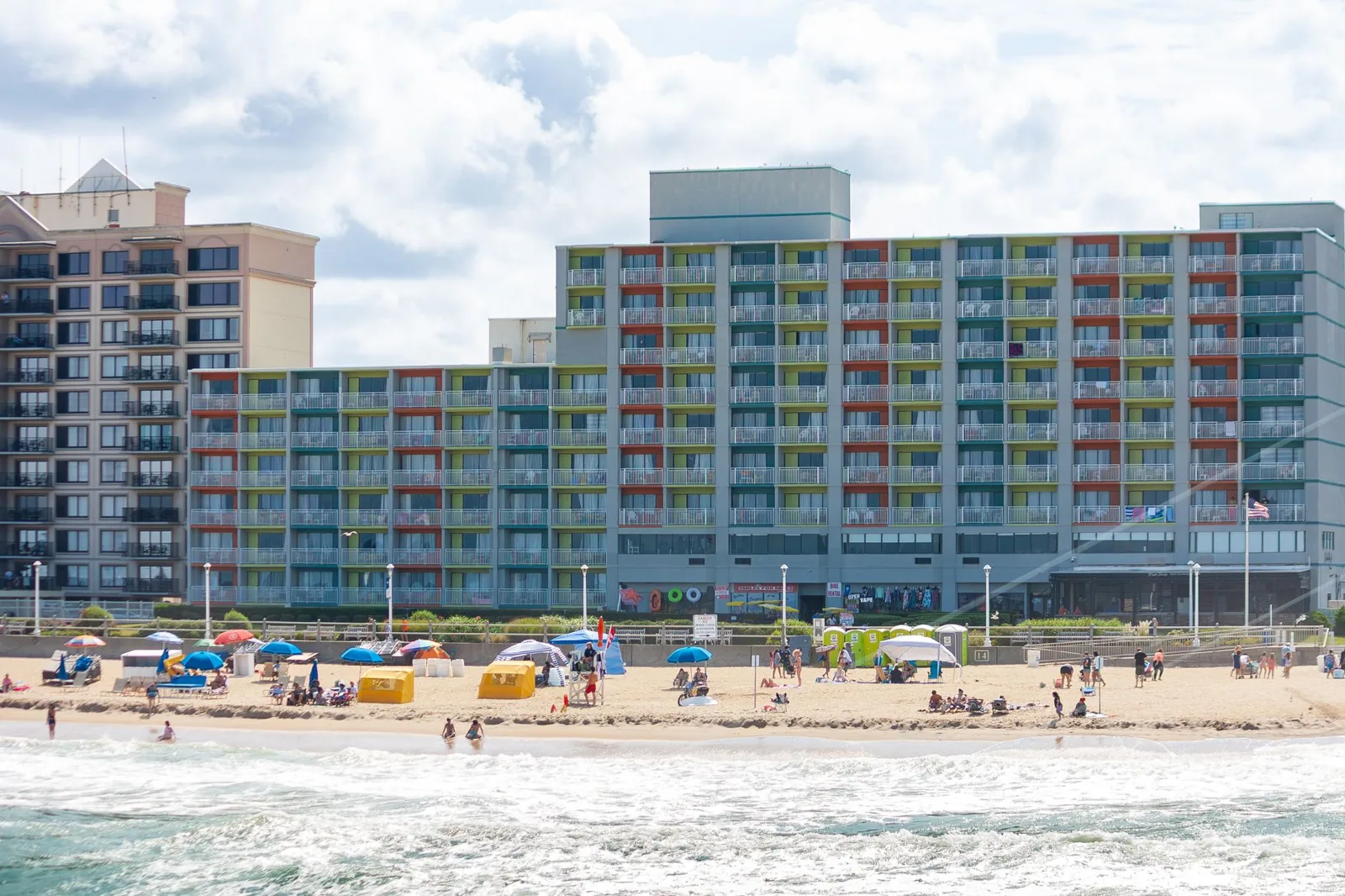
Photo by Cristian Loayza via Pexels
What a Hotel Room Actually Costs
A hotel charges you for nights you actually sleep there, and nothing else. That’s the entire financial model, and it’s why the comparison is so lopsided in one direction.
In 2024 the average daily rate for a U.S. hotel ran around $150, though it swings hard by city and season — a Chattanooga weekday might run $110, while a Miami Beach weekend in March can hit $450. For a seven-night stay at the average rate, you’re looking at roughly $1,050, with no further obligation the afternoon you check out. You don’t owe a maintenance bill in February, you don’t fund the pool resurfacing, and you’re never asked to attend an “owner update” that’s actually a three-hour sales pitch.
Flexibility is the quieter saving. If you skip a year, you pay nothing. If your destination changes, you rebook somewhere else. If money gets tight, you stay home or downgrade to a motel. The price is transparent at booking — room rate, taxes, resort fees where they apply — and comparison sites make it easy to see exactly what you’re paying before your card is charged. A hotel is the only option in this debate where “just don’t go this year” costs you $0.
The trade-off is space and consistency. A standard room is one room with a bed and a bathroom, and the price of that room during peak season moves with demand, not with what you paid last year. You’re renting, not owning — and for a lot of travelers, that’s precisely the point.
Timeshare vs Hotel: A Side-by-Side Comparison
Here’s how the two compare across the factors that actually decide the bill.
| Factor | Timeshare | Hotel |
|---|---|---|
| Upfront cost | ~$24,000 average developer price; resale sometimes under $5,000 | $0 — you pay per night |
| Recurring cost | $1,000–$1,500/yr maintenance fees, rising annually | Nightly rate only, typically ~$150 avg in the U.S. |
| Commitment | Decades-long contract, hard to exit | Pay-as-you-go, cancel any time |
| Space & amenities | Full kitchen, living room, multiple bedrooms common | One room plus bathroom unless you book a suite |
| Flexibility | Fixed week/resort unless you pay exchange fees | Book anywhere, any dates, any chain |
| Resale value | Usually a small fraction of purchase price | N/A — you own nothing |
| Best for | Families returning to the same resort yearly | Anyone whose plans change |
The table settles one thing fast: a timeshare only wins if you genuinely return to the same resort, for the same week, year after year, for long enough to earn back the upfront cost through savings on the nightly rate. Change any one of those variables — the week, the resort, or the decade-long patience — and the hotel’s pay-as-you-go model pulls ahead.
Read our take on how Airbnb compares to a hotel on cost and whether a resort or a standard hotel makes more sense for your trip.
The Flexibility Problem With Timeshares
The biggest hidden line item in a timeshare contract isn’t a fee — it’s the loss of options. When you own week 28 at a resort in Orlando, your vacation is in Orlando in mid-July, and if the kids’ sports schedule or a job change lands that week, your “owned” vacation turns into an exchange transaction that costs money and may not get you the dates you want.
Exchanges cook in a second layer of cost. Trading your week through RCI or Interval International means paying the annual membership fee plus a per-trade exchange fee, and the inventory you actually want — a beach week in summer, a ski week in February — is exactly what every other exchanger wants. Peak-for-peak swaps are far from guaranteed, and downgrading your week’s “trading power” is a slow-burn disappointment owners learn about months in.
There’s also the resale reality. People routinely give away weeks for $1 just to unload the maintenance fee, and the Federal Trade Commission has published warnings about companies that charge upfront fees promising to sell a timeshare that never moves. Ownership sounds like an upgrade; in practice, for most buyers, it’s a liability you can’t book your way out of.

Photo by Engin Akyurt via Pexels
When a Timeshare Makes Sense
None of this means a timeshare is always a bad buy. It makes sense for a narrow, specific traveler, and if you’re in that slice, the math can genuinely work.
The sweet spot is a family that returns to the same destination every year — the same beach town, the same ski lodge, the same resort outside the theme parks — and values a kitchen and a second bedroom enough to cook meals in and put the kids in their own room. If a comparable two-bedroom suite would run you $400 a night and you’d otherwise stay a week, you’re looking at $2,800 a year in rooms. Buy a resale week for $8,000 and pay $1,100 in fees, and you’ve recovered the purchase in about five years against that scenario. It’s not a bargain; it’s a bet on your own consistency.
The other timeshare-friendly profile is the planner who books far out and never deviates. Fixed-week, fixed-resort owners who travel the same dates every year — and who’d be heartbroken to miss that week — get the most out of what a timeshare actually delivers. If that describes you, buy resale, not from the developer, and read the maintenance-fee history like a private investigator. The ARDA Foundation’s industry data can tell you what fees and occupancy health look like across the industry before you commit.
For everyone else, the flexibility tax of a timeshare is simply too high.
When a Hotel Is the Obvious Choice
Hotels win in almost every other situation, and the reasons are the ones that matter day to day.
First, if your travel is irregular — a long weekend here, a work trip there, one big trip a year that moves around — a hotel costs you nothing in the off years. Contrast that with a timeshare owner paying $1,200 in 2027 for a week they can’t use. That asymmetry alone settles the debate for casual travelers.
Second, if you care about destination variety, a hotel is the only honest answer. Points from a chain loyalty program — a topic The Points Guy covers in detail — let you redeem nights in Paris, Tokyo, and San Francisco without ever being tied to one building. A timeshare trades away exactly that mobility.
Third, the math is just cleaner. Hotel pricing is public, comparable, and cancelable within the terms of your reservation. There’s no contract to unwind, no exit company to hire, and no annual bill that arrives whether or not you set foot on the property. For most travelers reading this, a plain hotel room alongside the other alternatives beats the pitch.
Frequently Asked Questions
Is a timeshare cheaper than a hotel in the long run?
It can be, but only if you return to the same resort for the same week every year for a long stretch. Buy resale for a fraction of developer price, and against a comparable multi-bedroom suite the per-night cost can drop below a hotel. Against a standard room, a hotel usually wins because there’s no upfront cost and no annual fee.
What are the average annual timeshare maintenance fees?
Most owners pay roughly $1,000 to $1,500 per year per week owned, and the fee rises over time independently of how often you use the unit.
Can you cancel a timeshare?
Rarely, and usually not for free once the rescission period closes. Many states give you a short rescission window — often three to ten days after signing — to cancel a new purchase. After that, exiting usually means the resale market or a legitimate exit program, and scammers target desperate owners.
Do timeshares hold their value?
No. Timeshares typically resell for a small fraction of the original purchase price, and many owners struggle to give a week away because of the attached maintenance fee.
Is booking a hotel more flexible than a timeshare?
Yes. A hotel charges only for nights you book, lets you change destinations and dates freely, and costs you nothing in the years you don’t travel.
The Bottom Line
The timeshare vs hotel decision comes down to a single question: are you buying a consistent, fixed vacation every year, or are you buying the freedom to go anywhere, whenever you want? A timeshare is a real product for a real (narrow) customer — the family that never misses week 28 in the same building. For that buyer, a resale unit can beat a suite’s nightly rate within a handful of years, provided the maintenance fees behave.
For nearly everyone else, the hotel is the smarter money. You pay only for what you use, you owe nothing when you stay home, and your vacation stays a choice instead of an obligation. Before you sign anything, write down your last five vacations, their dates, and their destinations. If they’re all the same week in the same place, consider a resale timeshare and read the fee history first. If they aren’t — and for most of us they aren’t — book the hotel and keep the flexibility.