
Extended Stay Hotel Cost: What You’ll Actually Pay in 2026
For most travelers, an extended stay hotel cost lands somewhere between $60 and $150 per night for a standard studio in a mid-tier brand such as Extended Stay America, Candlewood Suites, or WoodSpring Suites. In pricey markets like Manhattan, San Francisco, or downtown Seattle, that number can push past $200 a night — and in smaller cities, it can dip below $50. The spread is wide because extended stay pricing moves on three variables: location, season, and how long you commit to staying.
The good news is that the longer you book, the more the nightly rate drops. Weekly rates are usually 10% to 25% cheaper than booking seven nights separately, and monthly rates — typically 30 nights or more — often knock another 15% to 30% off the top. This guide breaks down exactly what these rooms cost, which brands deliver the best value, and the fees that quietly inflate your final bill.
What Drives Extended Stay Hotel Cost
Extended stay hotels are priced differently from the standard hotel down the street. The base rate is only part of the total, and several factors move the number up or down before you ever see an invoice.
Location and market tier. A 350-square-foot studio at the same chain can cost $55 a night in Tulsa and $140 a night in Charlotte, purely because of local demand and operating costs. Gateway cities with strong corporate travel — think Atlanta, Dallas, and Chicago near airports — tend to hold the middle of the range, while resort-adjacent and urban-core locations sit at the top.
Length of stay. This is the single biggest lever. Properties price a one-night guest at the “transient” rate, a seven-night guest at a discounted weekly rate, and a 30-night guest at a true monthly rate. The discount compounds as you commit to more nights.
Seasonality. Winter in the Northeast and summer in the South both spike rates. Conversely, booking a long-term room in Orlando in September or Phoenix in July can land you a monthly rate far below the annual average because occupancy drops and operators would rather fill the room cheap than leave it empty.
Room type and kitchen. Studios are the cheapest. One-bedroom suites with a separated living area and full-size kitchen run $15 to $40 more per night. Two-bedroom suites, popular with traveling families and work crews, can hit $180 to $280 a night in decent markets.
Average Extended Stay Hotel Cost by Brand
Prices below are typical “rack” rates for a studio in a mid-size US city as of 2026. You will almost always pay less than these published numbers by booking direct, staying longer, or hunting a corporate or AAA rate.
| Factor | Extended Stay America | Candlewood Suites (IHG) | Residence Inn (Marriott) | WoodSpring Suites |
|---|---|---|---|---|
| Typical nightly rate (studio) | $65–$100 | $80–$120 | $130–$190 | $55–$85 |
| Typical weekly rate | $400–$650 | $500–$750 | $800–$1,200 | $350–$520 |
| Typical monthly rate | $1,300–$2,200 | $1,600–$2,800 | $2,400–$3,800 | $1,100–$1,800 |
| Kitchen | Full (some efficiency) | Full | Full | Full |
| Extras included | Wi-Fi, parking (varies) | Wi-Fi, gym, laundry | Breakfast, gym, pool | Wi-Fi, laundry |
| Loyalty program | None (now Choice-affiliated) | IHG One Rewards | Marriott Bonvoy | None |
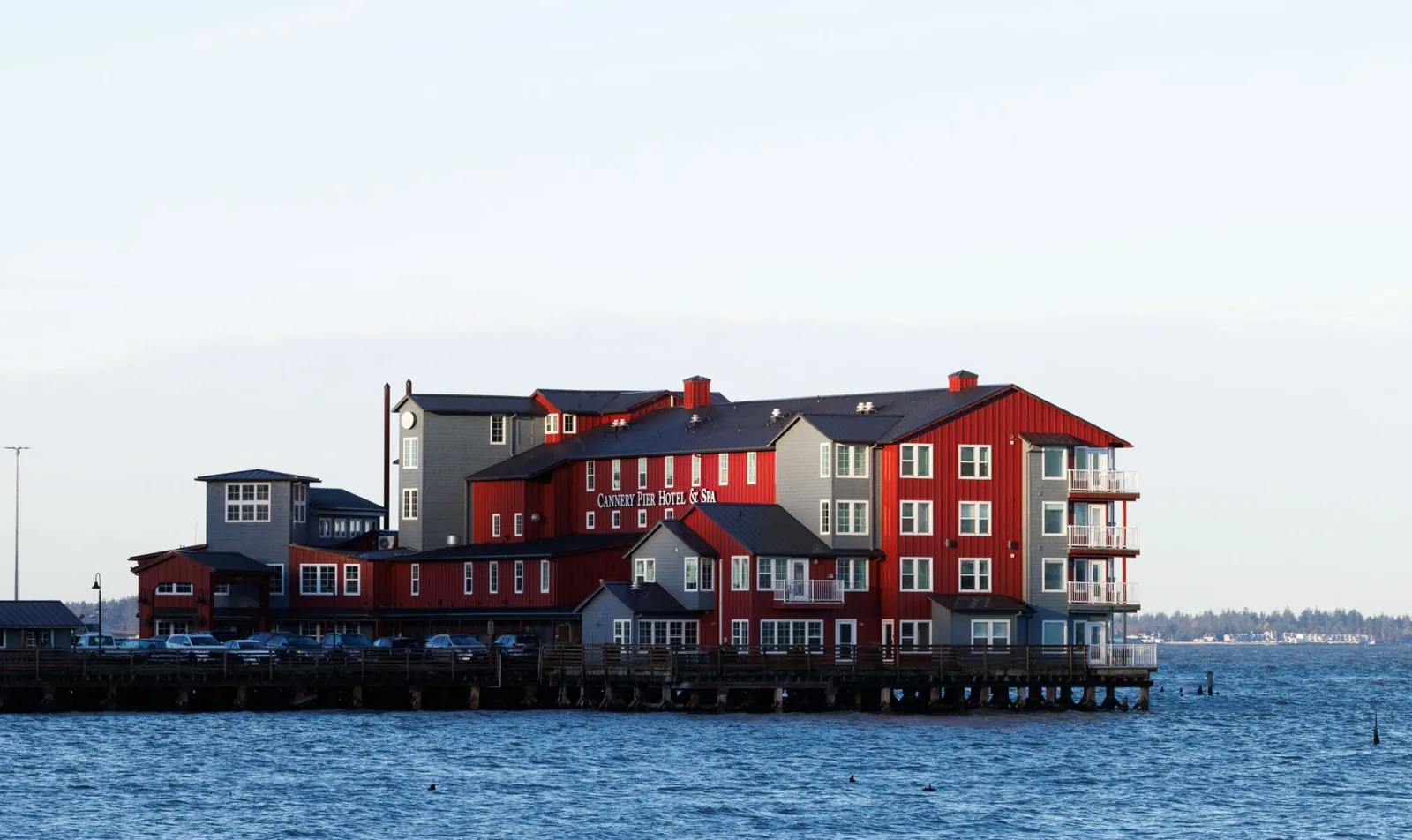
Photo by Veronika Andrews via Pexels
Residence Inn commands the highest price in this group, but it also includes a full hot breakfast, mostly larger suites, and Marriott Bonvoy points. WoodSpring Suites and Extended Stay America sit at the budget end, trading housekeeping frequency and amenities for raw price. Candlewood Suites occupies the middle and is a quiet favorite among road warriors because IHG points pile up quickly on month-long stays.
Nightly, Weekly, and Monthly Rates: The Discount Stack
The way these properties price rooms is the reason “just book 10 nights at the normal rate” is a money-losing move.
- Nightly rate: This is the transparent rate you see when you search. It includes nothing beyond the room and base taxes. If you are staying under a week, this is your number.
- Weekly rate: Usually triggers at 7 nights. Expect 10% to 25% off the nightly total. Candlewood and Extended Stay America both publish weekly rates on their booking pages automatically.
- Monthly rate: Triggers at 28 to 30 nights depending on brand. This is where the real savings live — commonly 30% to 40% below the nightly rack rate. Many properties also stop charging occupancy tax after 30 consecutive nights, which is a meaningful break in high-tax states like Texas, California, and Washington.
A concrete comparison: a studio in Charlotte that lists at $89 a night would run about $623 for a week at rack, roughly $540 on the weekly rate, and about $1,780 for 30 nights on a monthly rate — a daily average of $59. That is a 34% discount for simply committing to the month.
Taxes, Fees, and Hidden Charges That Raise Your Total
The advertised extended stay hotel cost rarely matches the final bill. Here is what gets added on top of the base rate.
Occupancy and sales tax. Everywhere. State and local lodging taxes typically add 10% to 17% in the US, with cities like New York, San Francisco, and Chicago pushing combined rates toward 15% to 18%. On a $1,500 monthly stay in a high-tax city, that is $225 to $270 you never saw in the marketing price.
Deposit or incidental hold. Most properties hold $50 to $200 on a card at check-in. For monthly stays, some budget brands collect a $100 to $150 refundable deposit instead, returned after a room inspection.
Pet fees. Extended stay hotels are pet-friendly almost by default (that is half their customer base — relocating workers and traveling nurses). Expect $10 to $25 per night, frequently capped at $75 to $150 per stay. Some brands, notably WoodSpring Suites, charge a flat per-stay fee.
Parking. Free at most suburban and roadside properties, but $15 to $40 a night at urban and airport locations. Over 30 nights, downtown parking alone can add $450 to $1,200.
Cleaning. Unlike a regular hotel, most extended stay brands only service the room weekly. Extra or more frequent housekeeping runs $10 to $25 per visit. If you need it daily, budget for it.
Photo by Pixabay via Pexels
Before you commit, read the rate details on the booking page. If a fee is missing or unclear, call the property — their front desk can usually quote taxes and parking to the dollar, and a five-minute call beats a surprise charge. If you want the full picture of hotel booking fees beyond extended stays, we broke down every line item in our hotel booking fees guide.
How to Cut Your Extended Stay Hotel Cost
Getting the rate down is mostly about timing, channel, and commitment. These moves have saved readers real money.
- Book direct and join the loyalty program. Marriott Bonvoy, IHG One Rewards, Hilton Honors, and Choice Privileges all offer member-only rates that undercut the public price by 5% to 10%. Points earned on a 30-night stay are often worth $150 to $400 in future free nights.
- Ask for the monthly rate up front. It is not always shown online. Calling and asking for the “30-day extended stay rate” frequently surfaces a number 10% to 15% below what the website shows.
- Use the corporate or “relocation” rate. Traveling nurses, construction crews, and airline/railroad employees qualify for negotiated rates at brands like WoodSpring, InTown Suites, and Extended Stay America. If your employer has a travel policy, ask HR which chain they have a contract with.
- Book during soft seasons. Phoenix, Las Vegas, and Orlando in summer; Minneapolis, Chicago, and Boston in deep winter. Monthly rates in these off-peak windows can sit 25% to 40% below peak.
- Compare against Airbnb and furnished apartments. A month-long Airbnb with a full cleaning fee can look cheap until fees land. Extended stay hotels usually win once you factor in free Wi-Fi, no cleaning fee, and the ability to cancel without penalty. For shorter trips, our cheap hotel rooms guide covers the tricks that work when you are only staying a few nights.
Are Extended Stay Hotels Cheaper Than Airbnb or a Lease?
For stays of two weeks to three months, the extended stay hotel usually wins on total cost and flexibility. Here is the math at a glance.
Vs. Airbnb monthly stays. A $1,600 monthly Airbnb often becomes $1,900 after the service fee, cleaning fee, and utilities in a market where taxes are stacked in. The comparable $1,700 monthly hotel rate includes utilities, Wi-Fi, weekly housekeeping, and no surprise host charges — and you can check out early without eating a cancellation penalty.
Vs. a short-term lease. An apartment lease requires first and last month’s rent, a deposit, utility setup, and usually a 12-month commitment. For anyone who needs a place for six weeks during a work assignment or home renovation, the hotel’s all-in nightly math almost always edges out the lease once you price the move-in costs and the empty months.
Where the hotel loses. If you are staying six months or more, a lease or a long-term Airbnb with a real monthly discount usually beats hotel pricing. The crossover point is typically somewhere between 90 and 120 days, depending on the local rental market versus the local hotel market. The Points Guy and NerdWallet both maintain current comparisons of monthly hotel rates versus short-term rentals and how to price a long hotel stay, and both are worth a check when your stay straddles that three-month line.
Frequently Asked Questions
How much does an extended stay hotel cost per month?
Most mid-tier brands run $1,200 to $2,800 per month for a studio, depending on the city. Budget brands like WoodSpring and InTown Suites can go as low as $900 to $1,100 in smaller markets, while Residence Inn or Home2 Suites in a major city can top $3,500.
Is an extended stay hotel cheaper than a regular hotel?
Not on a single night — the rack rates are similar. The savings only appear at seven nights or more, when weekly and monthly discounts plus reduced housekeeping lower the average nightly cost by 20% to 40%.
Do extended stay hotels give a discount for long-term stays?
Yes, and it is automatic in most cases. Weekly rates kick in around seven nights and monthly rates around 28 to 30 nights. Calling the property and asking for the monthly rate can often improve on the published number.
Do extended stay hotel prices include utilities and Wi-Fi?
Wi-Fi is almost always included, and so are water, electricity, and trash as part of the room rate since these are charged as hotels, not apartments. Parking, pets, and extra housekeeping are the common add-ons.
Can I negotiate an extended stay hotel rate?
For stays of 30 nights or more, yes — politely. Front desk managers at budget and mid-tier brands have latitude on monthly rates, especially when occupancy is low or you are paying a full month up front.
The Bottom Line
An extended stay hotel cost is best understood as a sliding scale: higher per night than an apartment, but far cheaper and more flexible than a lease the moment your stay passes two weeks. Budget for $55 to $120 a night at budget and mid-tier brands, $130 to $200 a night for the full-service chains, and expect weekly and monthly discounts to shave 20% to 40% off the headline number.
Lock in the price by booking direct, joining the loyalty program, and asking for the monthly rate by phone. And before you commit, check the tax and fee estimates so the final bill matches what you planned. If you are still weighing how a property compares or when to pull the trigger, our guides on how to book a hotel room online and how far in advance to book a hotel will help you time it right.