
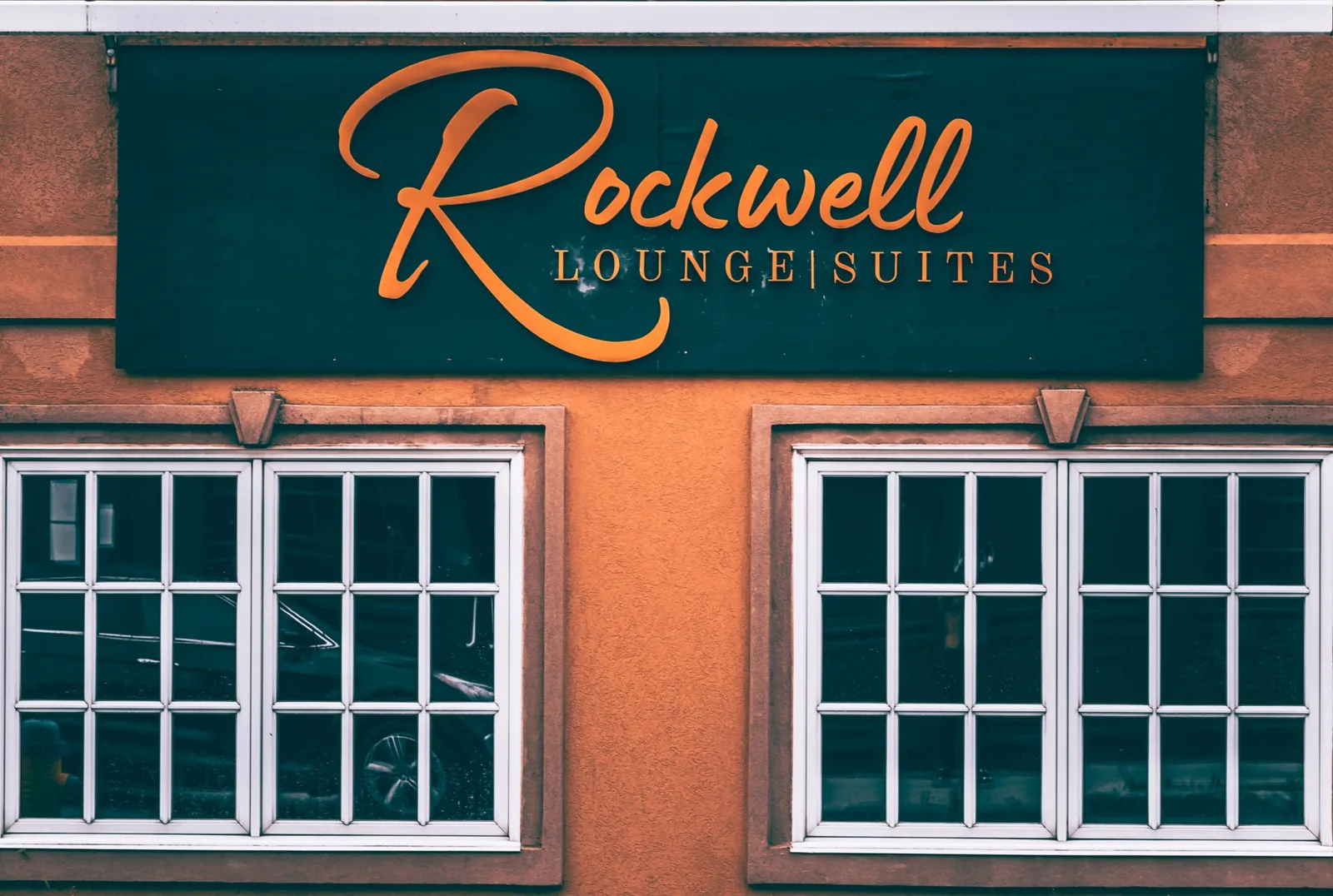
Boutique Hotel vs Chain Hotel: Which One Should You Book?
Choosing between a boutique hotel vs chain hotel is rarely about price alone. It is a decision about the kind of trip you want: one with a predictable bed, a familiar breakfast buffet, and points that post to an app — or one with a local owner, a room unlike any other in the building, and a lobby that feels like someone’s living room.
Both can be excellent. The trouble is they are excellent at different things, and the marketing from both sides tends to blur the line. A chain can wrap itself in local art and call itself “lifestyle,” while a boutique can nickel-and-dime you on basics a Holiday Inn would hand over free.
This guide breaks the two apart on the things that actually matter — rooms, service, price, consistency, and loyalty value — so you can book the right one for the right trip.
What a Boutique Hotel Actually Is
A boutique hotel is, at its core, a small, intentionally designed, independently run property. The industry shorthand is fewer than 100 rooms, but most sit well under that — 10 to 50 is common. The point is not the room count; it is that the place has a point of view.
Think of the The Hoxton in London or the Line in Los Angeles, or a 14-room converted townhouse in New Orleans run by a couple who greet you at the desk. The defining traits are consistent:
- Small scale — usually under 100 rooms, often far fewer.
- Strong design identity — a specific aesthetic, not a corporate template.
- Independent ownership — no big brand flag over the door, though many join soft collections like Small Luxury Hotels or Design Hotels.
- Local personality — staff who know the neighborhood, restaurants that are not national franchises.
- One-off rooms — layouts and furniture that differ room to room.
None of this guarantees quality. A “boutique” can mean a thoughtfully restored gem or a tired motel someone repainted and relabeled. The word is not regulated, so you still have to check recent reviews and photos. But when it works, the reward is a room and a stay that simply do not exist anywhere else.
What a Chain Hotel Actually Is
A chain hotel is a branded property run to a spec. Whether it is a Hampton Inn in Ohio or a Marriott in Singapore, the promise is the same: the room will look roughly the same, the check-in will follow the same steps, and the points will land in the same account.
The big players — Marriott, Hilton, IHG, Hyatt, Accor, Wyndham — span from budget to luxury, but the operating model is consistently built around three things: scale, standards, and loyalty. A chain’s real product is predictability.
- Standardization — the mattress, the Wi-Fi, the shower pressure, the soap. All specified.
- Location coverage — 1,000-plus properties across global brands, so there is almost always one nearby.
- Loyalty programs — points, elite status, free nights, upgrades, and late checkout.
- Consistent basics — 24-hour front desk, reliable housekeeping, often a gym and parking.
- Brand tiers — from Days Inn up through JW Marriott, so you can calibrate price and polish.
The trade-off is character. A chain can be genuinely excellent — and for road warriors, it often is exactly what they want — but it will never surprise you the way an independent truly run by locals can.
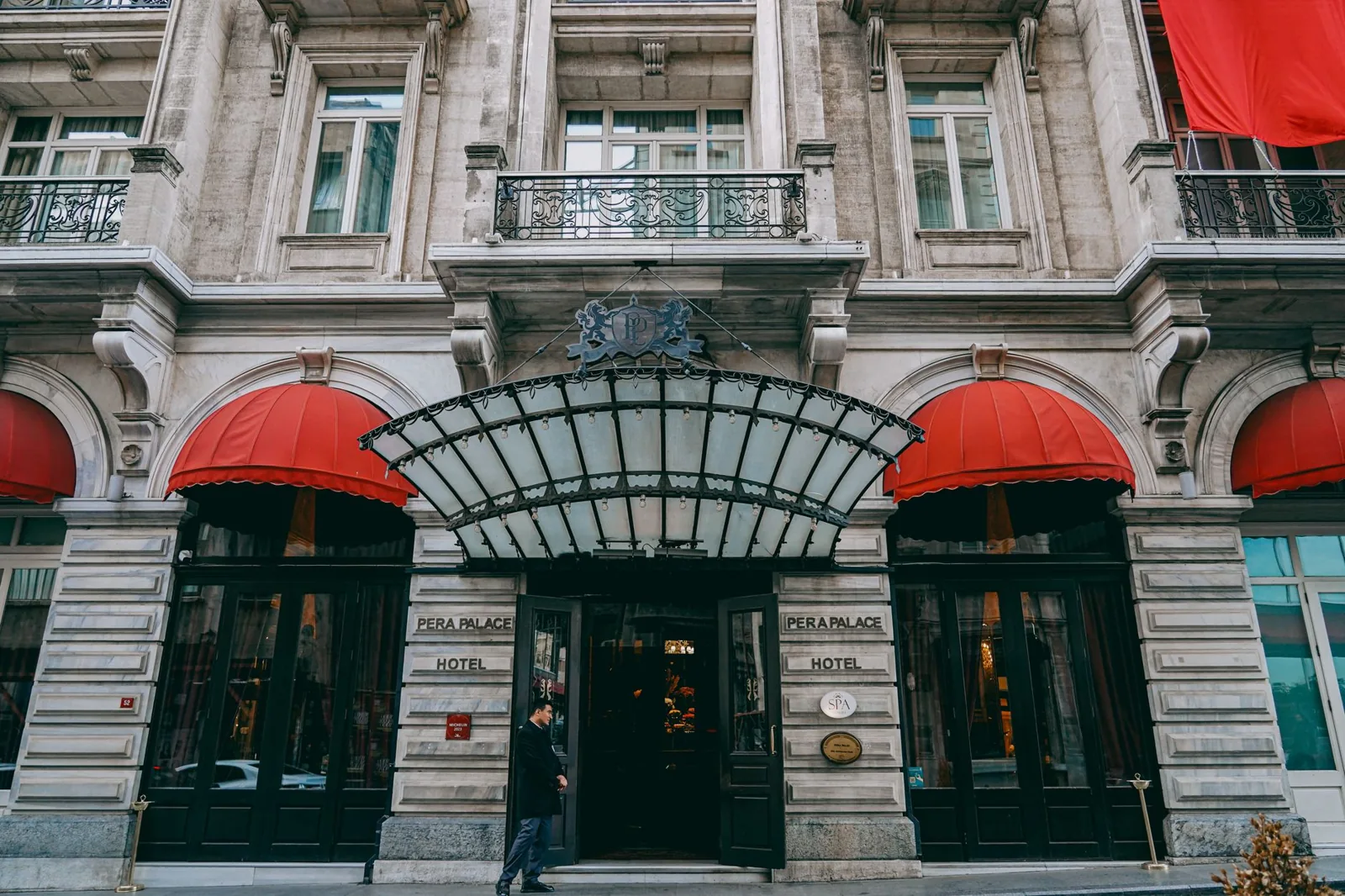
Photo by Pexels via Pexels
Boutique Hotel vs Chain Hotel: Side-by-Side
The fastest way to see the gap is to put the two next to each other on the criteria travelers actually weigh:
| Factor | Boutique Hotel | Chain Hotel |
|---|---|---|
| Number of rooms | Usually 10–100 | Anywhere from 50 to 1,000+ |
| Design | One-of-a-kind, local, intentional | Brand template, standardized |
| Service style | Personal, informal, sometimes limited hours | Consistent, 24/7, process-driven |
| Amenities | Unique (rooftop, speakeasy, art), fewer basics | Predictable (gym, business center, breakfast) |
| Price range | Widely variable; often $150–$400/night | Scales from $80 budget to $500+ luxury |
| Loyalty points | Usually none, or third-party | Robust points and elite status |
| Location | Often city-center, walkable neighborhoods | Everywhere, including airports and highways |
| Consistency | Depends entirely on the property | Near-identical across the brand |
Neither column is a winner in the abstract. A boutique in a great neighborhood beats a tired chain off the interstate, and a freshly built Courtyard beats a “boutique” that is actually a worn motel with Edison bulbs. The point of the table is to name what you are really trading when you pick one.
Where Boutique Hotels Win
If you are looking for a trip that feels specific to a place, a boutique property is usually the stronger bet. That edge shows up in a few concrete ways.
A sense of place. The best independents are rooted in their city. The design, the coffee, the art on the walls, and the staff’s recommendations all point to where you are. A Hilton looks the same in Barcelona and Boston; a good boutique in either should not.
Rooms that are not copy-paste. Because rooms are not built to a spec, you can land a corner room with a fireplace, a loft with exposed brick, or a suite with a clawfoot tub that no chain would approve in a cost review.
Personal service of a different kind. Staff at a top boutique tend to know regulars and act on the kind of judgment a chain script blocks. A front desk person might walk your bags, comp a late checkout because you have a 6 p.m. flight, or text you a reservation at a place that does not take online bookings.
Design you can actually photograph. If part of the trip is the place itself — a weekend away, a honeymoon, a milestone dinner — a well-designed property adds real value that a points stay rarely matches.
The catch is reliability. Boutique quality is property-specific, and you are one tired owner or one bad renovation away from disappointment. Read reviews from the last six months, not the last six years.

Photo by Oleh Bartkiv via Pexels
Where Chain Hotels Win
Chains win on the things that matter when the hotel is not the point of the trip: business travel, road trips, family logistics, and anywhere you just need a guaranteed clean bed.
Predictability. You know before you book exactly what you are getting — the bed, the shower, the breakfast, the gym. For a 6 a.m. flight or a 10-hour drive, that certainty is worth more than charm.
Loyalty value. Marriott Bonvoy, Hilton Honors, and World of Hyatt turn stays into points, free nights, and status perks like late checkout, upgrades, and lounge access. If you travel 20-plus nights a year, this compounds fast. The Points Guy regularly runs the math showing a branded stay effectively costs less once points and status are counted (thepointsguy.com).
Coverage and consistency at scale. When you are in a small city or near an airport, a chain is often the only game in town. And a chain is also the safer choice when you are too tired to vet an independent property properly.
Amenities and 24/7 basics. Late arrivals, early breakfast, a gym, on-site parking, and a desk that never closes matter more on work trips and with kids. Many boutiques simply do not staff these hours or offer these extras.
If your question is “what will make this trip easiest,” the chain is usually the answer. If it is “what will make this trip memorable,” the boutique gets the edge.
What You’ll Actually Pay
There is a persistent idea that boutiques cost more. That is partly true and partly a myth.
At the bottom of the market, chains are cheaper. You can often find a budget chain room under $100 a night, while a true boutique rarely dips below $120–$150 in a city. At the top, the dynamic flips: a luxury chain flagship can run $400–$800-plus, while a well-reviewed independent in the same neighborhood might come in at $250–$400 for a comparable, often more characterful room.
The bigger gap is in what that rate includes. Chains monetize everything — resort fees, parking, breakfast, Wi-Fi on some brands. Boutiques vary; some bundle breakfast and Wi-Fi into the rate and skip the resort fee entirely. Always compare the all-in nightly cost, not the headline rate.
And remember the loyalty math. A $180 brand room that earns points, elite night credits, and a free-night-eligible stay can end up cheaper over a year than a $150 independent. For occasional travelers, the reverse often holds — without elite status, the boutique’s included breakfast and lack of fees can win on price. If you are weighing the cost angle more broadly, see our breakdown of Airbnb vs hotel cost for a third comparison.
How to Choose for Your Trip
Here is the honest decision rule, trip by trip:
- Business travel, tight schedule, points → book the chain. You want zero surprises and status value.
- Romantic weekend, honeymoon, milestone → book the boutique. The stay is part of the experience.
- Family road trip → chain. Two beds, breakfast, a pool, and consistency win.
- City break where you want to live local → boutique in a walkable neighborhood.
- Small town or airport overnight → chain, because it is usually your only reliable option.
- Longer stay of a week-plus → lean boutique or apartment-style; see our guide to Airbnb vs hotel for long stays before committing.
One final check that matters more than the brand: read recent reviews, and look at photos posted by guests, not the hotel. A good boutique beats a mediocre chain, and a good chain beats a bad boutique. Category is a starting filter, not a verdict.
Related: if you are unclear on the broader categories, our hotel vs motel vs inn guide sorts out the terminology before you book.
Frequently Asked Questions
Are boutique hotels more expensive than chain hotels?
Not always. Budget chains are usually cheaper at the low end, but at the mid-to-upper tiers a boutique can cost the same or less — especially once you factor in amenities chains charge for, such as resort fees, parking, and breakfast. Compare the all-in nightly rate, not the headline price.
Do boutique hotels have loyalty programs?
Most independents have no points program, though some participate in soft collections or third-party networks. If earning points and elite status matters, a chain is the better fit. Occasional travelers who will not use status are the ones least hurt by skipping points.
Are chain hotels always more consistent?
Generally yes — standardization is the entire point of a chain. But consistency is a floor, not a ceiling. A well-run boutique can be far better than a neglected chain, just as a tired independent can be worse. Recent reviews are still your best predictor.
Is a boutique hotel good for families?
It depends on the property. Boutiques often lack connecting rooms, pools, and 24-hour service, which makes a family chain stay easier. But larger or well-equipped boutiques can work beautifully. Check the specific amenities before you book, not just the label.
How do I tell a real boutique hotel from a fake one?
Look past the marketing. Check the room count (under 100), whether it is independently run, the design quality in guest photos, and reviews from the last six months. The word “boutique” is not regulated, so recent guest photos are more reliable than the website’s copy.
The Bottom Line
The boutique hotel vs chain hotel decision is really a decision about what a hotel is for on this trip. If it is infrastructure — a clean, predictable place to sleep and work and earn points — book the chain. If it is part of the experience — a designed, local, personal stay you will remember — book the boutique, and vet it hard.
There is no universal winner, and anyone who tells you there is has a preference, not an argument. Match the property to the trip, compare the all-in price, and let recent guest reviews make the final call.
Now that you know the difference, browse our full library of where-to-stay comparisons to match the right room to your next trip.