
Hotel vs Motel vs Inn: Which Should You Book for Your Next Trip?
The words get tossed around like synonyms, but a hotel, a motel, and an inn are genuinely different places to sleep. A roadside motel in Amarillo has almost nothing in common with a historic inn in the Hudson Valley, and neither works like a full-service Marriott. If you book the wrong one, you pay for things you don’t need — or end up dragging luggage up three flights of stairs with no elevator in sight.
Understanding the differences in this hotel vs motel vs inn decision comes down to four things: layout, amenities, location, and price. Once you can read those at a glance, choosing where to stay takes about two minutes.
This guide breaks down each lodging type, compares them side by side, and tells you exactly when to pick each one — without the marketing fluff.
What Is a Hotel?
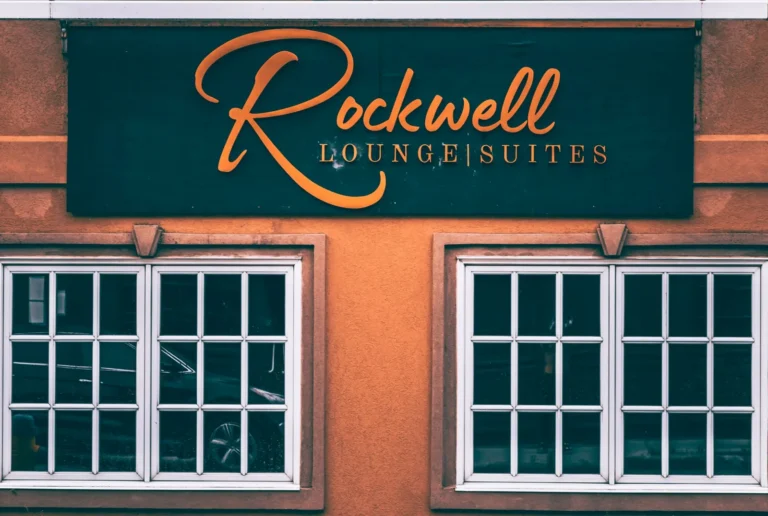
A hotel is a multi-story building with private rooms that open onto interior corridors. You enter through a lobby, check in at a front desk, and take an elevator or stairs to your room. Hotels are built for range: a budget Howard Johnson and a five-star Four Seasons are both hotels.
Hotels typically offer the most amenities. Expect a 24-hour front desk, daily housekeeping, an on-site restaurant or bar, a fitness center, room service, and often a pool. Chains like Hilton, Marriott, Hyatt, and IHG dominate the category, which matters if you collect points or want consistent quality between cities.
A standard mid-range hotel room in the US runs $120–$220 per night in most metros, with resort and big-city properties pushing well past $300. Hotels work best for travelers who want service, reliability, and a home base with staff on call.
What Is a Motel?
A motel — short for “motor hotel” — is built for the car. Rooms almost always open directly onto the parking lot, so you pull up, park in front of your door, and walk three steps inside. That design dates to the 1950s and 1960s, when families road-tripped Route 66 and wanted zero hassle at the end of a long driving day.
Motels are low-rise (usually one or two stories), with rooms that face outward and no central lobby in the traditional sense. Amenities are lean: a bed, a bathroom, a TV, maybe a mini-fridge and a small pool. Housekeeping may be limited, and the front desk often closes late at night.
The payoff is price and simplicity. An independent motel commonly runs $60–$110 per night, even in summer. They cluster along highways and interstate exits — think budget chains like Motel 6 and Super 8, plus countless family-owned spots. Motels suit road-trippers staying one night who care about a clean bed and an early start, not an on-site spa.
What Is an Inn?
An inn is the oldest and fuzziest of the three. Historically, an inn was a small lodging house, often family-run, that also served food and drink to travelers. Today the word covers two overlapping camps: small boutique inns in walkable town centers, and countryside bed-and-breakfasts where you get a room and a cooked morning meal.
Inns are almost always independently owned, with far fewer rooms than a hotel — often 5 to 15. Rooms open onto interior hallways or a shared house, and the experience is personal. The owner or an innkeeper greets you, recommends the good restaurants, and hands you a real key. Breakfast is usually included in the rate.
Expect to pay $130–$250 per night for a well-reviewed inn, though destination inns in places like Napa or the Berkshires can exceed $400 on weekends. You trade standardized amenities for character: four-poster beds, creaky floorboards, a library nook, and a host who learned your name by check-in. Inns are for travelers who want a sense of place more than a points-earning stay.
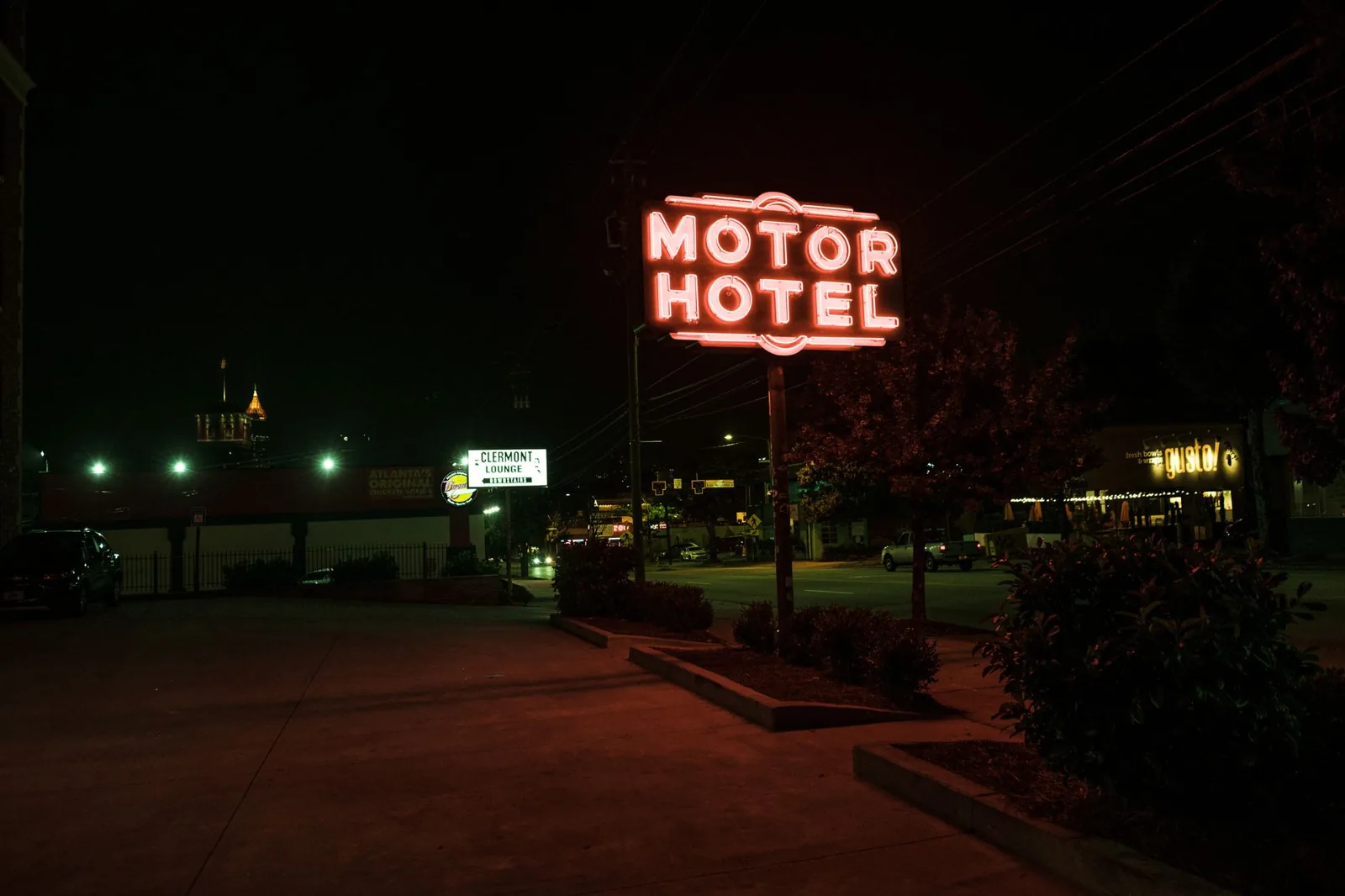
Photo by Airam Dato-on via Pexels
Hotel vs Motel vs Inn: Side-by-Side Comparison
The surest way to settle the hotel vs motel vs inn question is to line them up on the factors that actually change your trip.
| Factor | Hotel | Motel | Inn |
|---|---|---|---|
| Typical location | City centers, airports, resorts | Highways, interstate exits, small towns | Town centers, countryside, historic districts |
| Room access | Interior corridors, elevator | Directly from parking lot | Interior house or hallway |
| Amenities | Restaurant, gym, room service, pool | Bed, TV, fridge, basic pool | Breakfast included, common areas, personal hosting |
| Average US nightly rate | $120–$220 | $60–$110 | $130–$250 |
| Front desk hours | 24/7 | Often limited or closed overnight | Set hours; innkeeper lives on-site |
| Best for | Service, consistency, points | One-night road trips on a budget | Character, local flavor, longer stays |
| Loyalty programs | Common (Hilton, Marriott, Hyatt) | Rare | Almost never |
The table reveals the core trade-off: hotels buy you service and predictability, motels buy you convenience and value, and inns buy you atmosphere and a personal touch. None is objectively “better” — they solve different problems.
When a Hotel Is the Right Call
Book a hotel when your trip needs infrastructure and you don’t want to think about logistics. That covers business travel, airport layovers, big-city tourism, family resort stays, and anywhere you’ll be out late. A 24-hour desk means a 1 a.m. check-in isn’t a problem, and an on-site restaurant means not hunting for dinner after a 14-hour day.
Hotels also win on consistency and perks. If you travel frequently, staying within one chain compounds points and status into free nights and upgrades. A boutique hotel has character too, but with a chain’s polish, so you don’t have to choose between charm and reliability.
The main strike against hotels is cost, especially in cities where parking and resort fees add $30–$60 to your nightly total. If you’re comparing prices across accommodation types, it’s worth checking whether an Airbnb is cheaper than hotels for your specific dates before you commit.
When a Motel Makes Sense
Choose a motel for the classic American road trip: Las Vegas to Salt Lake City, a run down I-95, or a cross-country drive where the bed is just a place to land for six hours. The lot-side parking means you can keep an eye on a loaded car, and you’re back on the road in five minutes flat.
Motels also work for short, budget-driven stays near airports, event venues, or anywhere prices in town have spiked. If a festival has pushed a city hotel to $400, a clean motel two exits out can save you $300 for one night — money better spent on the event itself.
Be honest about the trade-offs. Walls can be thin, towels small, and the “continental breakfast” a jug of Folgers and a danish. Read recent reviews for bedbugs, cleanliness, and noise before booking a no-name independent. A trusted brand motel like Motel 6 or Super 8 removes some of that guesswork.
When an Inn Earns the Higher Rate
Pick an inn when the stay itself is part of the trip. That includes anniversary weekends in wine country, leaf-peeping in Vermont, coastal Maine summers, or a first visit to a small New England town. A good innkeeper is essentially a free local concierge who knows which lobster shack is worth the drive and which “antique” shop is a tourist trap.
Inns also suit travelers who want a slower pace. With breakfast at a set time, a porch for reading, and no elevator music or conference crowds, an inn rewards you for lingering. That same quality is why inns are a strong fit for immersive trips rather than overnight pit stops.
The catch is variability. Inns are independent, so quality swings harder than at a chain. Photos lie, hygiene standards differ, and a charming 1800s building may mean stairs-only access and a shared bathroom. Spend extra time on reviews, check accessibility, and confirm the breakfast and any minimum-stay rules — many inns require two nights on weekends.
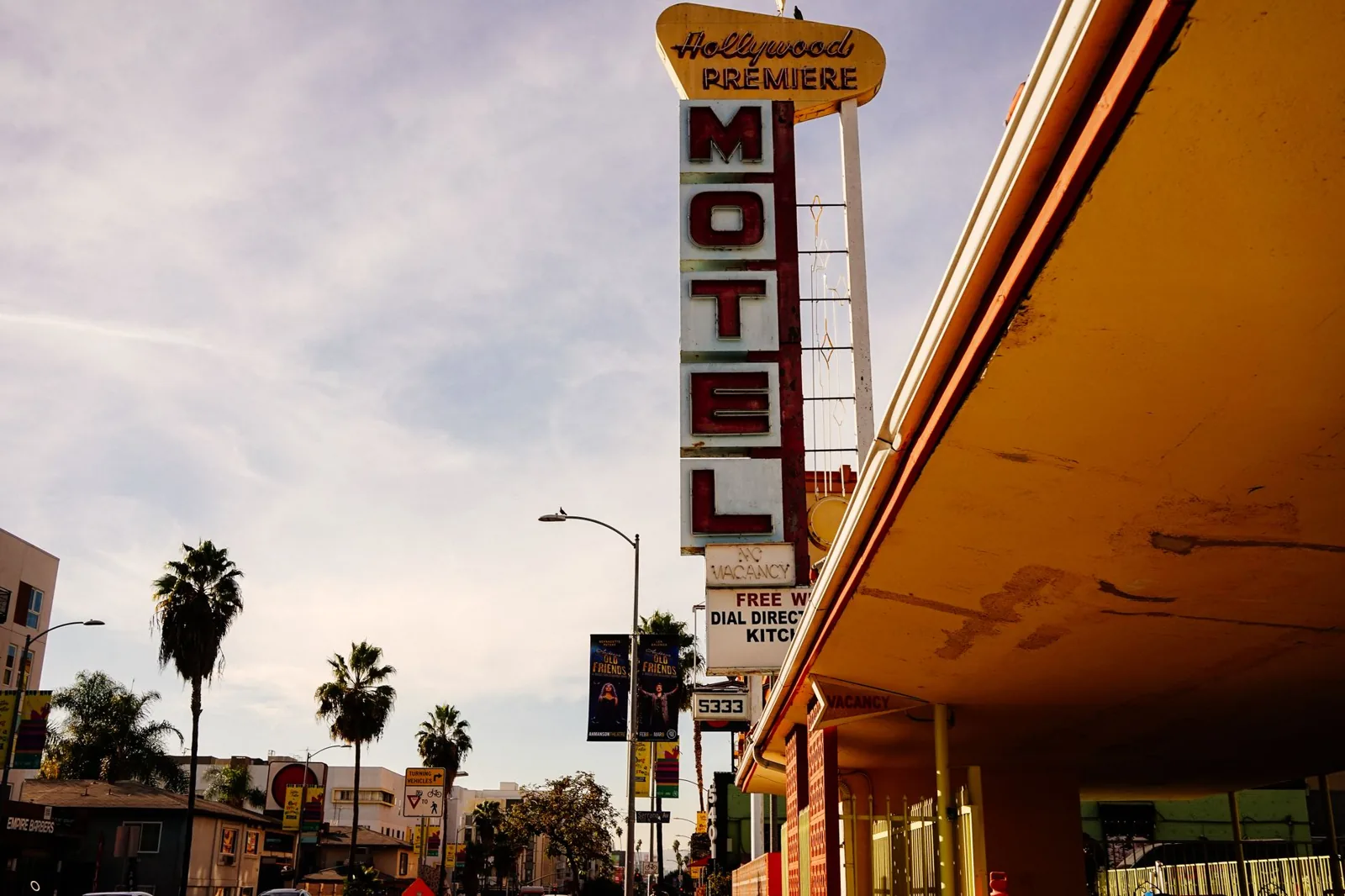
Photo by Darya Sannikova via Pexels
Price Reality Check: What You Actually Pay
Listed rates understate the real bill for hotels and motels. Here’s what a $150 hotel room can become in a city like San Francisco or New York:
- Parking: $25–$70 per night in major cities
- Resort or destination fees: $15–$50 per night, even at “standard” hotels
- Taxes and occupancy fees: 10–18% depending on the city
- Breakfast: $15–$25 per person if not included
A motel’s $80 rate usually stays close to $80, plus tax. An inn’s $200 rate may be the truest price of all, since breakfast and parking are typically bundled in. When you compare options, compare the all-in nightly cost, not the headline number.
Length matters too. For stays of a week or more, a long-stay Airbnb with a kitchen can undercut even a motel, while a hotel adds laundry and dining costs daily. For short stays, the equation flips — see how the cost of an Airbnb compares to a hotel for trips under three nights.
Frequently Asked Questions
Is a motel the same as a hotel?
No. The defining difference is layout: motel rooms open directly onto the parking lot, while hotel rooms open onto interior corridors with a lobby and front desk. Motels also offer far fewer amenities and typically cost less.
Which is cheaper, a motel or an inn?
A motel is almost always cheaper, at roughly $60–$110 per night versus $130–$250 for an inn. The inn’s higher rate usually includes breakfast and a more personal experience, while the motel’s low rate buys a basic, convenient overnight stop.
Are inns safer than motels?
Generally yes, though safety varies by property in both categories. Inns tend to be smaller with an on-site innkeeper and interior access, which discourages casual foot traffic. Motels with exterior doors and 24-hour car access warrant a close look at reviews and location.
Do hotels, motels, and inns all offer free breakfast?
Not uniformly. Many inns include a full cooked breakfast in the rate, budget hotel chains often offer free continental breakfast, and classic motels usually serve only coffee and a pastry — if anything. Mid-range and luxury hotels frequently charge for breakfast.
Which lodging type is best for a one-night stay?
A motel or a simple budget hotel. For a one-night road-trip stop, the motel’s pull-up parking and low price can’t be beaten. If you want a guaranteed late check-in and more comfort, book a budget or mid-range hotel with a 24-hour front desk instead.
For a room-by-room breakdown, Tripadvisor explains the differences between hotels, motels, and inns.
The Bottom Line
The hotel vs motel vs inn choice is really a question of what you’re doing with the trip. On the open road, chasing miles, take the motel and pocket the savings. In a city with a packed agenda, book the hotel and let the 24-hour desk and on-site amenities do the logistics for you. And when the destination is the point — a mountain town, a wine trail, a coast you came to sit and watch — the inn is the stay you’ll remember.
Match the lodging to the trip, not to the logo, and you’ll stop overpaying for rooms you barely use or under-booking trips that deserve more than a parking-lot door.